
Automation has evolved from a niche industrial concept into a fundamental pillar of modern software engineering and business operations. For technical readers, understanding the precise definition, types, and practical applications of automation is essential for navigating the current landscape of AI-driven tools. This article explores the core mechanics of automation, its various forms, and the future trajectory of these systems.
Defining Automation in the Digital Age
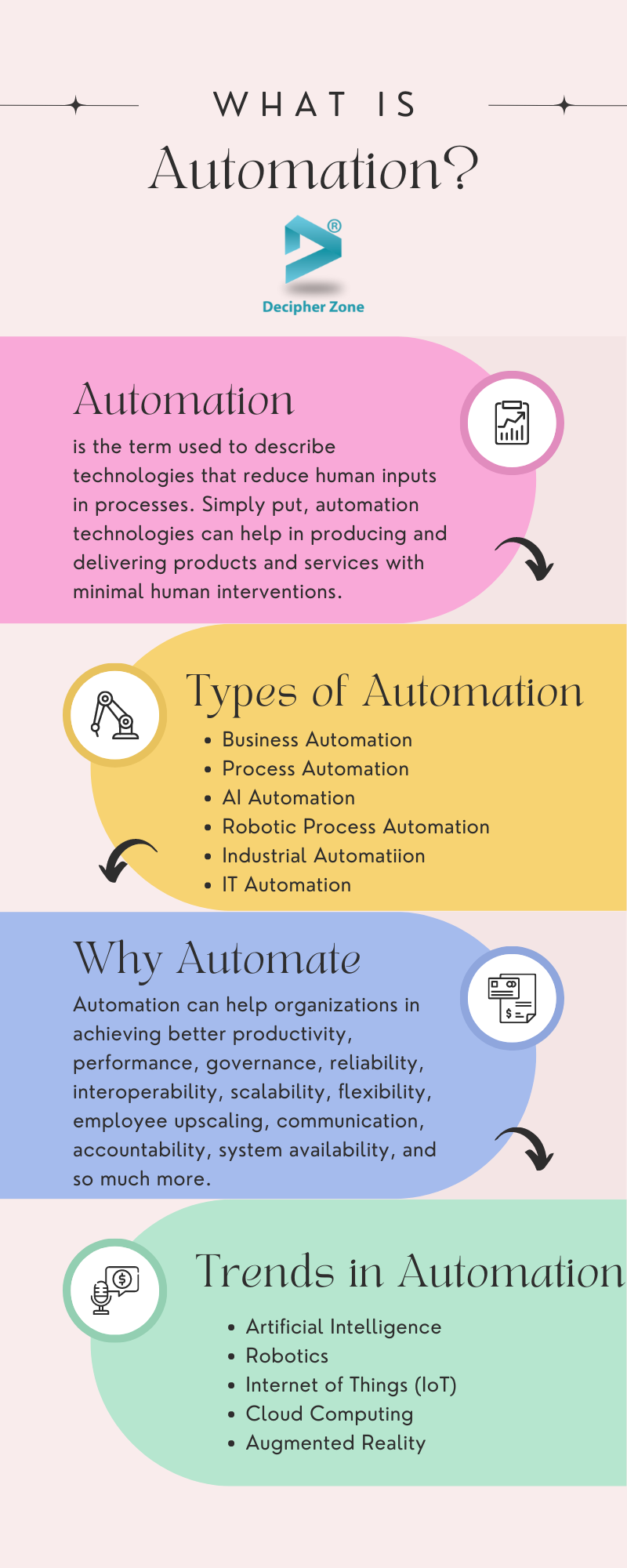
At its core, automation refers to the use of control systems, such as computers or robots, to perform tasks with minimal human intervention. In the context of software engineering, this involves writing scripts or utilizing specialized platforms to execute repetitive processes. The primary goal is to increase efficiency, reduce human error, and free up developer time for complex problem-solving. As artificial intelligence integrates deeper into these workflows, the definition expands to include adaptive systems that can learn and adjust their behavior based on new data.
Key Types of Automation
Automation is not a monolithic technology; it manifests in several distinct forms tailored to specific needs. Understanding these categories helps teams select the right tools for their infrastructure.
Process Automation
This type focuses on streamlining business workflows. It involves automating routine administrative tasks, such as data entry, email responses, and report generation. Tools in this category often use rule-based logic to trigger actions when specific conditions are met.
Test Automation
In software development, test automation is critical for maintaining quality. It involves using specialized frameworks to run test suites automatically. This allows for rapid feedback loops during the development cycle, ensuring that code changes do not introduce regressions. As deployment frequencies increase, the reliance on automated testing becomes non-negotiable for stable releases.
Infrastructure Automation
Managing servers, networks, and cloud resources manually is impractical at scale. Infrastructure automation uses code to provision, configure, and manage IT resources. This approach ensures consistency across environments and reduces the risk of configuration drift, which is a common source of production outages.
Automation is the process of using technology to perform tasks with minimal human intervention, aiming to improve efficiency and reduce errors.
Practical Examples and Impact
The impact of automation is visible across various industries. In manufacturing, robotic arms assemble products with precision. In software, continuous integration and continuous deployment (CI/CD) pipelines automatically build, test, and deploy code. These systems allow teams to release updates more frequently and reliably. The practical impact is a significant reduction in operational costs and an increase in throughput. For developers, this means less time spent on manual configuration and more time focused on innovation.
The Future of Automation
The future of automation is closely tied to the advancement of artificial intelligence. Traditional automation relies on predefined rules, but AI-powered automation can handle unstructured data and make decisions in novel situations. This shift is leading to the development of autonomous agents that can plan and execute complex tasks independently. As these technologies mature, we can expect a further blurring of the lines between human and machine tasks, with humans moving into roles focused on oversight, strategy, and creative direction.

Conclusion
Automation is a transformative force in technology, offering significant benefits in efficiency and reliability. By understanding its different types and practical applications, technical professionals can better leverage these tools to enhance their workflows. As AI continues to evolve, the scope of automation will expand, presenting new opportunities and challenges for the industry. Staying informed about these developments is crucial for anyone involved in software engineering or IT operations.