
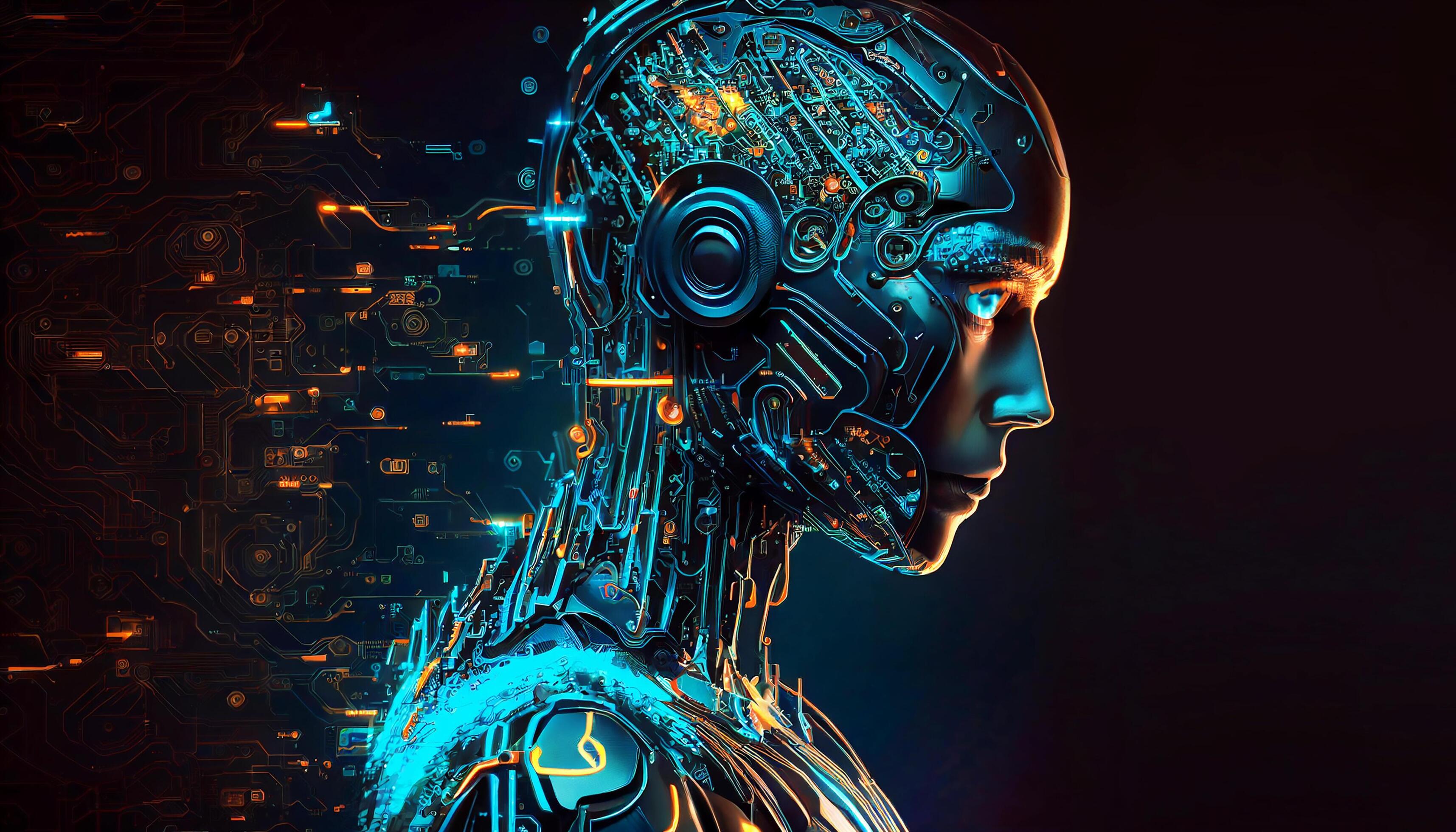
The intersection of cinema and artificial intelligence has reached a critical juncture with the upcoming 2026 release of the film Artificial. While the source material provided is limited to a Wikipedia entry and a redirect link, the anticipation surrounding this title signals a broader shift in how the technology sector views AI-driven media. For technical readers and PC enthusiasts, this is not merely a pop-culture event; it is a case study in the practical application of generative models, rendering pipelines, and computational efficiency. As we approach 2026, the industry is moving beyond the novelty of AI-generated assets to integrating them into core production workflows, raising questions about hardware requirements, software stability, and the future of creative computing.
The Technical Context of 2026 AI Media
By 2026, the landscape of artificial intelligence in entertainment has matured significantly. The early days of unstable text-to-video models have given way to more deterministic and controllable systems. The film Artificial is expected to leverage these advancements, potentially serving as a benchmark for what current AI infrastructure can achieve. For PC users, this means a renewed focus on the capabilities of local hardware. The ability to run or simulate AI-driven visual effects locally, rather than relying solely on cloud services, is becoming a key differentiator for high-end workstations.
Hardware Implications for Creators
The production of AI-heavy films places immense demands on GPU architecture. As models become more complex, the need for higher memory bandwidth and specialized tensor cores becomes apparent. PC builders and enthusiasts should watch for updates in driver optimization that specifically target AI inference tasks. The practical impact is clear: consumers who engage in content creation, 3D modeling, or video editing will require hardware that can handle the increased computational load of AI-assisted tools. This is not just about raw speed; it is about the efficiency of handling large datasets and complex neural network layers in real-time or near-real-time environments.
The integration of AI in film production is no longer a speculative concept but a tangible workflow change that demands robust local computing power.
Practical Impact on the PC Ecosystem
The release of Artificial is likely to coincide with new software releases that allow users to interact with similar AI models. This could drive a surge in demand for consumer-grade hardware that supports advanced AI features. Manufacturers may introduce new tiers of GPUs or CPUs that are explicitly marketed for AI creativity. For the average user, this means that the definition of a "gaming PC" is expanding to include "AI creative stations." The ability to run local LLMs (Large Language Models) or diffusion models for image and video generation is becoming a standard expectation for high-end builds.
Software and Workflow Integration
Beyond hardware, the software ecosystem is evolving. We are seeing a trend where AI tools are being embedded directly into traditional creative applications. This integration requires seamless communication between the operating system, the GPU, and the application itself. For technical readers, this highlights the importance of driver stability and API compatibility. The success of AI-driven projects like Artificial depends on these underlying technical foundations being solid. If the film utilizes novel AI techniques, it is likely that open-source or commercial versions of these tools will follow, further democratizing access to high-end AI capabilities.
What Readers Should Watch Next
As the release date for Artificial approaches, several key indicators will emerge. First, watch for announcements from major hardware vendors regarding AI-specific performance metrics. Second, keep an eye on software updates from creative suite providers that mention AI acceleration or local processing capabilities. Finally, the discourse around AI ethics and copyright in media will likely intensify, but for the technical community, the focus should remain on the engineering challenges and solutions. The film serves as a proof of concept for what is possible with current technology, and its success will likely accelerate the adoption of AI tools in the PC market.

Conclusion
The 2026 film Artificial is more than a cinematic event; it is a reflection of the rapid maturation of AI technology in the creative sector. For PC enthusiasts and technical professionals, this signals a shift in priorities. The future of personal computing is increasingly tied to its ability to support AI workloads. As we move closer to 2026, the line between consumer hardware and professional AI infrastructure will continue to blur. Staying informed about these developments is essential for anyone looking to build or upgrade a system capable of handling the next generation of AI-driven content. The technical innovations behind Artificial will likely set the standard for what is expected from modern PC hardware in the coming years.