
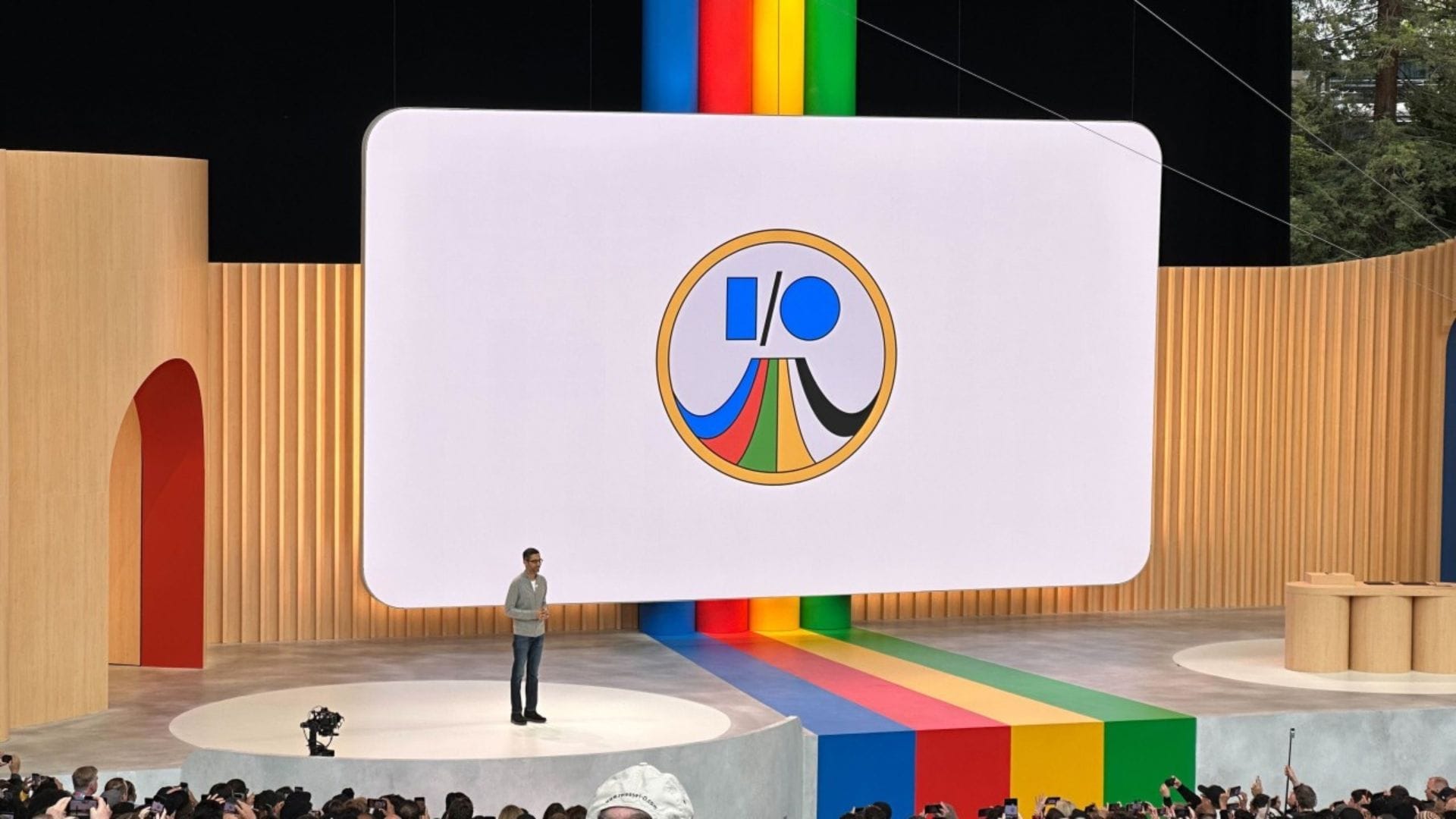
Google I/O 2026 has concluded, marking a significant milestone for developers working within the Google ecosystem. The keynote, delivered by the company's leadership, focused heavily on the deepening integration of artificial intelligence into core developer tools and platforms. For technical readers, the announcements signal a shift from experimental AI features to robust, production-ready infrastructure designed to streamline application development and enhance user experiences across web and mobile environments.
The Central Role of AI in Development
The primary theme of the 2026 keynote was the maturation of Google's AI capabilities. Rather than introducing entirely new concepts, the focus was on refining existing models to offer greater reliability and lower latency. This approach aims to reduce the friction developers face when incorporating intelligent features into their applications. The company emphasized that the goal is to make AI a standard utility, similar to how cloud computing became a default choice for scalable infrastructure.
Enhanced Developer Tools
One of the most practical updates involves the evolution of Google's coding assistants. These tools have been upgraded to understand larger codebases and provide context-aware suggestions that reduce boilerplate code. Developers reported that the new version of the assistant can now handle complex refactoring tasks with higher accuracy, significantly cutting down development time. This is particularly relevant for teams maintaining large-scale legacy systems, where manual updates are often costly and error-prone.
Our goal is to empower developers to build the next generation of applications by providing tools that are not just smart, but deeply integrated into the workflow.
This statement from the keynote highlights the strategic direction: moving from standalone AI features to embedded intelligence. The implication for developers is that AI will no longer be an add-on but a fundamental layer of the development stack. This integration promises to improve productivity by automating routine tasks and offering real-time insights into code quality and performance.
Web Platform Improvements
For web developers, the keynote introduced several updates to the Chrome browser and related web standards. These changes focus on performance, security, and accessibility. A notable update is the introduction of new APIs that allow for more granular control over media and graphics, enabling richer interactive experiences without the need for heavy plugins or external libraries. This is a direct response to the growing demand for high-fidelity web applications that compete with native mobile apps in terms of speed and responsiveness.
Security and Privacy Enhancements
Security remains a top priority, and the 2026 updates reflect this. New privacy-preserving features have been introduced to allow developers to implement personalized experiences without compromising user data. These features leverage on-device processing to ensure that sensitive information remains local, reducing the attack surface and complying with increasingly strict global data protection regulations. For developers, this means a clearer path to building compliant applications that respect user privacy while still delivering value.
Mobile Development Ecosystem
The Android platform also received significant attention. The keynote highlighted new tools for building cross-platform applications, allowing developers to write code once and deploy it across Android, iOS, and the web. This initiative aims to reduce the fragmentation that has historically plagued mobile development. By providing a unified framework, Google hopes to encourage more developers to build for the Android ecosystem, fostering a richer app marketplace.
Additionally, new performance metrics have been introduced to help developers optimize their apps for a wider range of devices, from high-end smartphones to budget models. These metrics provide detailed insights into app startup times, frame rates, and memory usage, enabling developers to make data-driven decisions to improve user experience.
Practical Impact for Developers
The announcements from Google I/O 2026 have immediate practical implications. Developers can expect a smoother transition to AI-assisted coding, with tools that are more intuitive and effective. Web developers will benefit from new standards that enhance performance and security, while mobile developers gain access to more powerful cross-platform capabilities. The overall effect is a more cohesive and efficient development environment, where the focus can shift from managing infrastructure to creating innovative user experiences.
What to Watch Next
As the dust settles from the keynote, several areas warrant close attention. First, the rollout of the new AI tools will be critical to monitor. Early adopters will provide valuable feedback on the reliability and effectiveness of these features, which will inform future updates. Second, the adoption of the new web standards by major browsers will determine their real-world impact. If other browser vendors follow suit, the web will become a more powerful and secure platform for complex applications.
Finally, the cross-platform development tools will be closely watched. Their success will depend on how well they handle the unique requirements of different operating systems. If they can deliver a consistent experience across platforms, they could significantly lower the barrier to entry for developers looking to reach a global audience. The coming months will reveal whether these tools live up to the promise set at the keynote.

Conclusion
Google I/O 2026 has set a clear trajectory for the future of software development. By focusing on AI integration, web performance, and cross-platform capabilities, Google is positioning itself as a key enabler for developers. The emphasis on practical tools and security reflects a mature approach to innovation, one that prioritizes developer productivity and user trust. For technical readers, the message is clear: the tools are evolving, and staying ahead will require adapting to these new standards and capabilities. The next phase of development will be defined by how effectively developers can leverage these resources to build the applications of tomorrow.