
Defining Automation in the Modern Tech Landscape
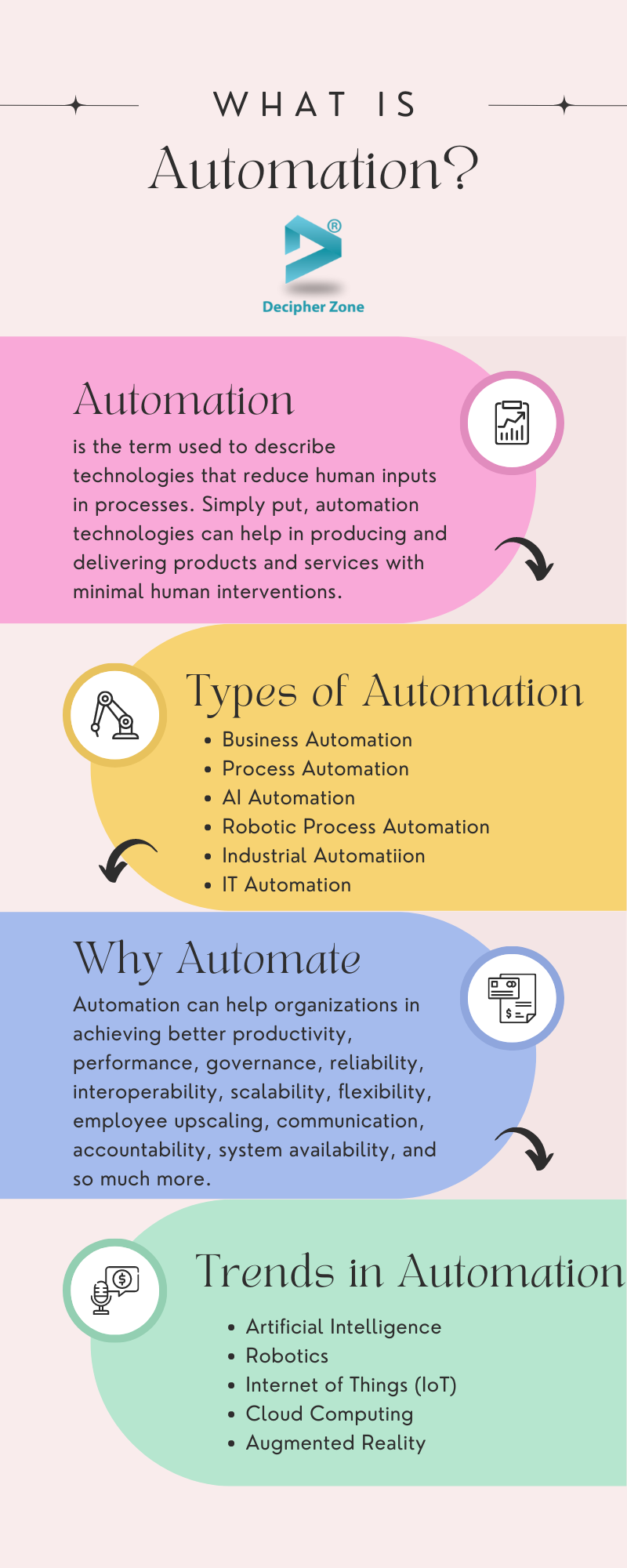
Automation is a fundamental concept in software engineering and industrial processes, referring to the use of technology to perform tasks with minimal human intervention. In the context of modern software development, automation extends far beyond simple scripting; it encompasses a wide range of tools and methodologies designed to increase efficiency, reduce errors, and accelerate delivery cycles. For technical readers, understanding the nuances of automation is critical for leveraging AI-driven tools that are reshaping the industry.
Core Types of Automation
Automation can be categorized into several distinct types, each serving specific purposes within an organization's workflow. The most common forms include process automation, software testing automation, and infrastructure automation. Process automation focuses on repetitive business tasks, such as data entry or report generation, often utilizing Robotic Process Automation (RPA) tools. Software testing automation involves the use of scripts and frameworks to execute test cases automatically, ensuring that code changes do not introduce regressions. Infrastructure automation, on the other hand, deals with the provisioning and management of servers and cloud resources, typically through tools like Terraform or Ansible.
The Role of AI in Automation
Artificial Intelligence is increasingly becoming a core component of automation strategies. Unlike traditional rule-based automation, AI-driven automation can handle unstructured data and make decisions based on patterns learned from historical data. This shift allows for more adaptive and intelligent systems that can respond to changing conditions without explicit programming for every scenario. For instance, AI-powered chatbots can automate customer support interactions, while machine learning models can predict maintenance needs in industrial settings.
Automation is not just about replacing human labor, but about augmenting human capabilities to achieve greater productivity and innovation.
Practical Examples and Implementation
Consider a software development team implementing Continuous Integration and Continuous Deployment (CI/CD) pipelines. In this scenario, automation tools automatically build, test, and deploy code whenever changes are committed to the repository. This reduces the time from development to production and minimizes the risk of human error. Another example is in the financial sector, where automated algorithms execute trades based on real-time market data, reacting to price movements faster than any human trader could.
Challenges and Considerations
While automation offers significant benefits, it also presents challenges. One of the primary concerns is the initial cost and complexity of implementing automation tools. Organizations must invest in the right technologies and train their staff to use them effectively. Additionally, there are ethical and security considerations, particularly when AI is involved. Ensuring that automated systems are transparent, fair, and secure is crucial to maintaining trust and compliance with regulatory standards.
The Future of Automation
Looking ahead, the future of automation is likely to be characterized by greater integration of AI and IoT (Internet of Things). As devices become more connected, automation will extend to smart homes, cities, and industrial environments. The rise of low-code and no-code platforms will also democratize automation, allowing non-technical users to create automated workflows. This trend is expected to drive further innovation and efficiency across various industries.

Conclusion
Automation is a powerful tool that, when used correctly, can transform business processes and enhance productivity. By understanding the different types of automation and the role of AI, organizations can make informed decisions about their technology strategies. As the field continues to evolve, staying informed about the latest trends and tools will be essential for professionals and businesses alike.