
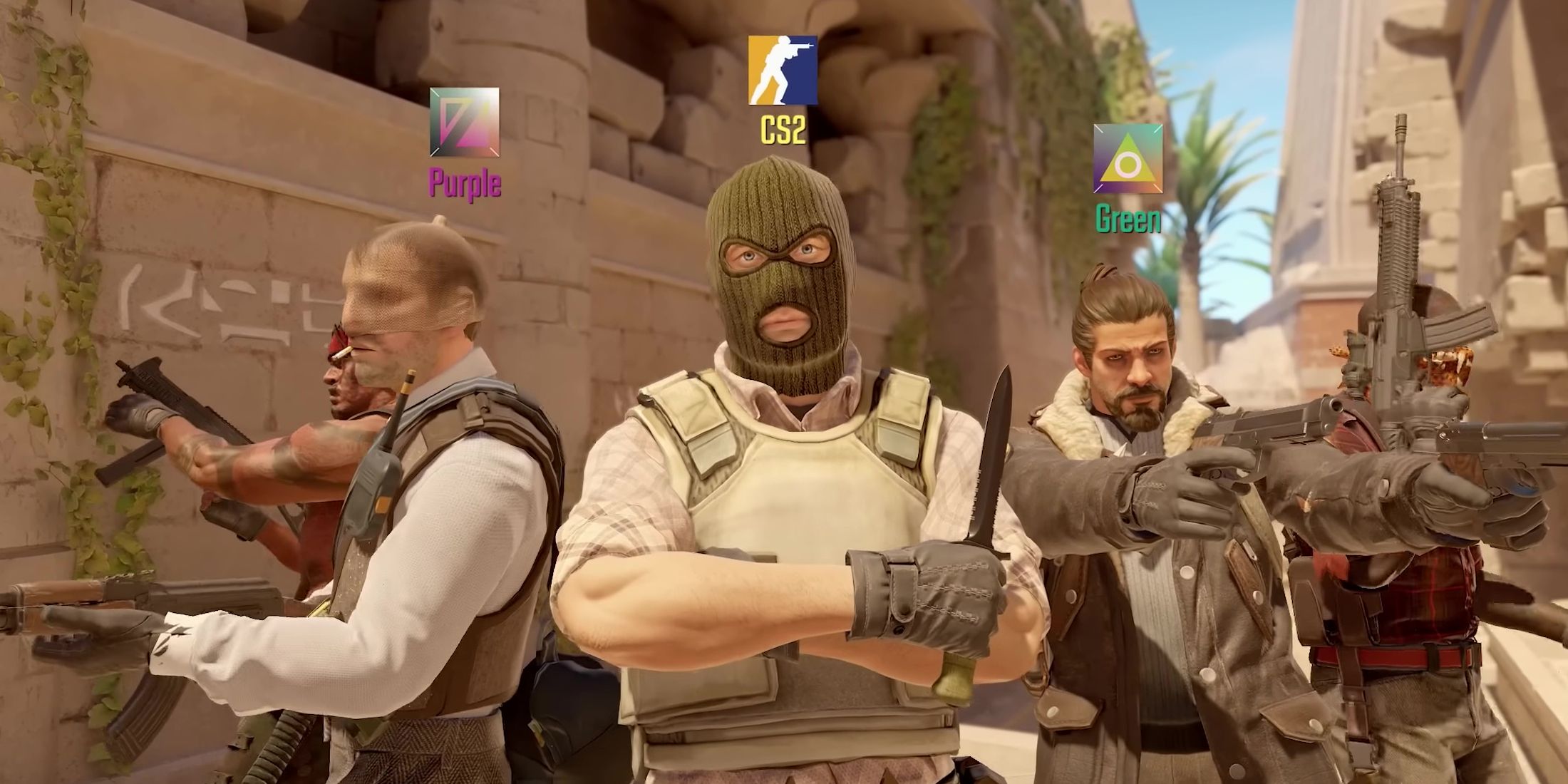
The Shift from CS:GO to Counter-Strike 2
The transition from Counter-Strike: Global Offensive to Counter-Strike 2 marked a pivotal moment in the history of tactical shooters. Valve did not simply release a new version; they fundamentally altered the engine and gameplay mechanics to modernize the experience. For esports teams and casual players alike, understanding the timeline of these updates is crucial for mastering the current meta. This article breaks down the major changes that have defined the CS2 era, explaining how each update impacted competitive play and the broader gaming community.
Engine Upgrade and Visual Overhaul
The most immediate change was the migration to the Source 2 engine. This was not just a cosmetic update. The new engine introduced dynamic lighting, improved shadows, and a more realistic rendering of environments. While the visual fidelity increased, the core gameplay remained rooted in the classic CS mechanics. However, the introduction of sub-tick technology was a game-changer for competitive integrity. Unlike the old tick-rate system, sub-tick allows the server to process inputs at a higher frequency, reducing the impact of high ping and making the game feel smoother for players with varying internet connections. This update was widely praised by the esports community for leveling the playing field.
Gameplay Mechanics: The Smoke and Recoil Changes
One of the most controversial and significant updates involved the behavior of smoke grenades. In CS:GO, smokes were static once deployed. In CS2, they became dynamic, reacting to wind and environmental factors. This change forced teams to rethink their utility usage. A smoke that once provided a guaranteed line of sight block now required more precise timing and positioning. Additionally, the recoil patterns of weapons were adjusted. While the general feel remained similar, the specific spray patterns were tweaked to encourage more controlled fire rather than full-auto sprays. These changes demanded a new level of mechanical precision from professional players.
"The move to sub-tick was the most important technical update in the game's history, as it finally addressed the fairness issues between high and low tick-rate servers."
Map Rotation and Competitive Adjustments
Valve also overhauled the competitive map pool. Some long-standing maps were removed, while new ones were introduced to keep the meta fresh. The removal of certain maps forced teams to adapt their strategies and practice new callouts. Furthermore, the introduction of the Active Duty system allowed Valve to rotate maps more frequently without requiring a full game update. This flexibility has kept the competitive scene dynamic, preventing strategies from becoming too predictable. Teams now have to stay agile, constantly reviewing VODs and adjusting their playstyles to counter the latest map rotations.
Impact on Esports and Professional Play
The updates to CS2 have had a profound impact on the professional esports scene. Teams that adapted quickly to the new mechanics gained a significant advantage. For example, teams that mastered the new smoke dynamics were able to create more complex utility setups, leading to more unpredictable rounds. Conversely, teams that struggled with the recoil changes found their AWP (sniper) and rifle duels less effective. The shift also influenced the role of the AWPer. With the new lighting and visual effects, spotting enemies became slightly more challenging, giving AWPer more opportunities to secure kills. This has led to a renewed focus on sniper positioning and map control.
What to Watch Next
As CS2 continues to evolve, players and teams should keep an eye on future updates. Valve has hinted at further refinements to the sub-tick system and potential new weapon additions. Additionally, the competitive scene is likely to see more innovation in utility usage as teams discover new ways to exploit the dynamic smoke mechanics. For casual players, the key takeaway is to practice the new recoil patterns and understand the environmental factors affecting smoke grenades. The game is more demanding than ever, but also more rewarding for those who put in the effort to master its nuances.

Conclusion
Counter-Strike 2 represents a significant leap forward for the franchise. By addressing long-standing technical issues and introducing fresh gameplay mechanics, Valve has ensured that the game remains relevant in a crowded market. The updates have not only improved the player experience but also elevated the competitive scene, making it more fair and dynamic. As the game continues to evolve, both casual and professional players must stay informed and adaptable. The future of CS2 looks bright, with potential for further innovation and a continued focus on competitive integrity. Whether you are a casual player or a pro, understanding these updates is essential for success in the ever-changing world of Counter-Strike.