
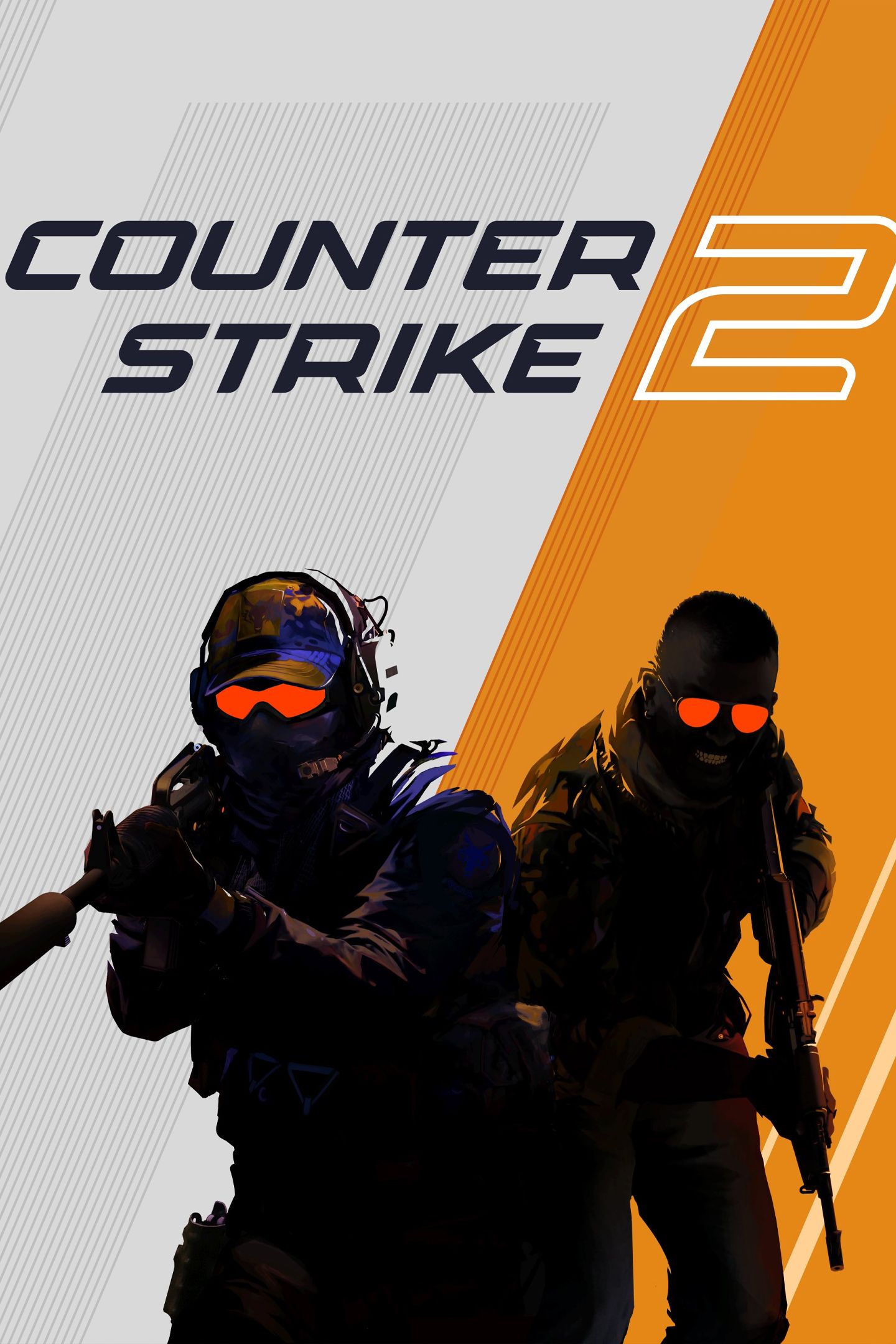
The transition from Counter-Strike: Global Offensive (CS:GO) to Counter-Strike 2 (CS2) has fundamentally reshaped the competitive landscape of one of the world's most popular tactical shooters. For fans, analysts, and professional players alike, the shift represents more than just a graphical upgrade; it is a complete overhaul of the game's physics, economy, and strategic depth. As the esports community settles into the new era, understanding the nuances of this transition is critical for anyone following the scene.
The Technical and Gameplay Overhaul
Valve’s release of CS2 marked the end of an era for CS:GO, which had dominated the competitive scene for over a decade. The new engine, Source 2, introduces significant changes that directly impact how matches are played. One of the most notable updates is the introduction of the Sub-tick system, which allows the server to process events more frequently than the traditional tick rate. This results in more accurate hit registration and a fairer competitive environment, particularly in high-stakes professional matches where milliseconds can determine the outcome of a round.
Beyond the backend mechanics, the visual and audio cues have been refined. The new smoke grenades, for instance, behave differently, offering more dynamic interactions with the environment. Players must adapt their utility usage, as the predictability of smoke placement has changed. This shift demands a new level of spatial awareness and timing from professional teams, who are currently adjusting their strategies to exploit these new mechanics.
Impact on Professional Teams and Players
For professional organizations, the transition to CS2 has required a period of intense adaptation. Teams that relied heavily on specific CS:GO strategies have had to re-evaluate their playstyles. The change in recoil patterns and the new movement system, which includes updated bunny-hopping and air-strafing mechanics, has forced players to relearn muscle memory. This has led to a temporary dip in performance for some top-tier teams, as they navigate the learning curve of the new title.
The shift to Counter-Strike 2 is not just a new version; it is a new game that requires a fresh approach to strategy and execution.
This sentiment is echoed across the community, as players and coaches alike emphasize the need for patience and practice. The competitive meta is still evolving, with new strategies emerging as teams discover the full potential of the updated mechanics. This period of flux creates opportunities for underdog teams to rise, as the established hierarchies of the CS:GO era are being challenged by the new variables introduced in CS2.
Esports Events and the Road Ahead
The esports calendar for CS2 is already filled with major tournaments, including the Major events and international leagues. These competitions serve as the proving ground for teams to demonstrate their mastery of the new title. Fans can expect to see a blend of traditional tactical play and innovative strategies that leverage the unique features of CS2. The prize pools and viewership numbers continue to grow, reflecting the enduring popularity of the franchise.
What to Watch Next
As the season progresses, several key factors will determine the trajectory of the CS2 esports scene. First, the stability of the game’s balance patches will be crucial. Valve’s ongoing updates aim to refine the experience, and any significant changes to weapon damage or utility behavior could shift the meta once again. Second, the performance of new rosters and player transfers will be closely monitored. Teams are actively reshaping their lineups to find the best combinations of skill and synergy for the new title.
Additionally, the integration of CS2 into broader esports ecosystems, such as streaming platforms and betting sites, will play a role in its growth. The accessibility of the game, combined with its competitive depth, ensures that it remains a central pillar of the gaming industry. For fans, the coming months will be a time of discovery, as the full scope of CS2’s potential is revealed through high-level competition.

Conclusion
The evolution from CS:GO to CS2 is a testament to the enduring appeal of the Counter-Strike franchise. While the transition has introduced challenges for players and teams, it has also opened up new avenues for strategic innovation and competitive excitement. As the esports community continues to adapt, the focus remains on the core elements that have made the series a global phenomenon: skill, teamwork, and tactical precision. For readers and fans, staying informed about the latest updates and team performances will be key to enjoying this new chapter in the history of competitive gaming.