
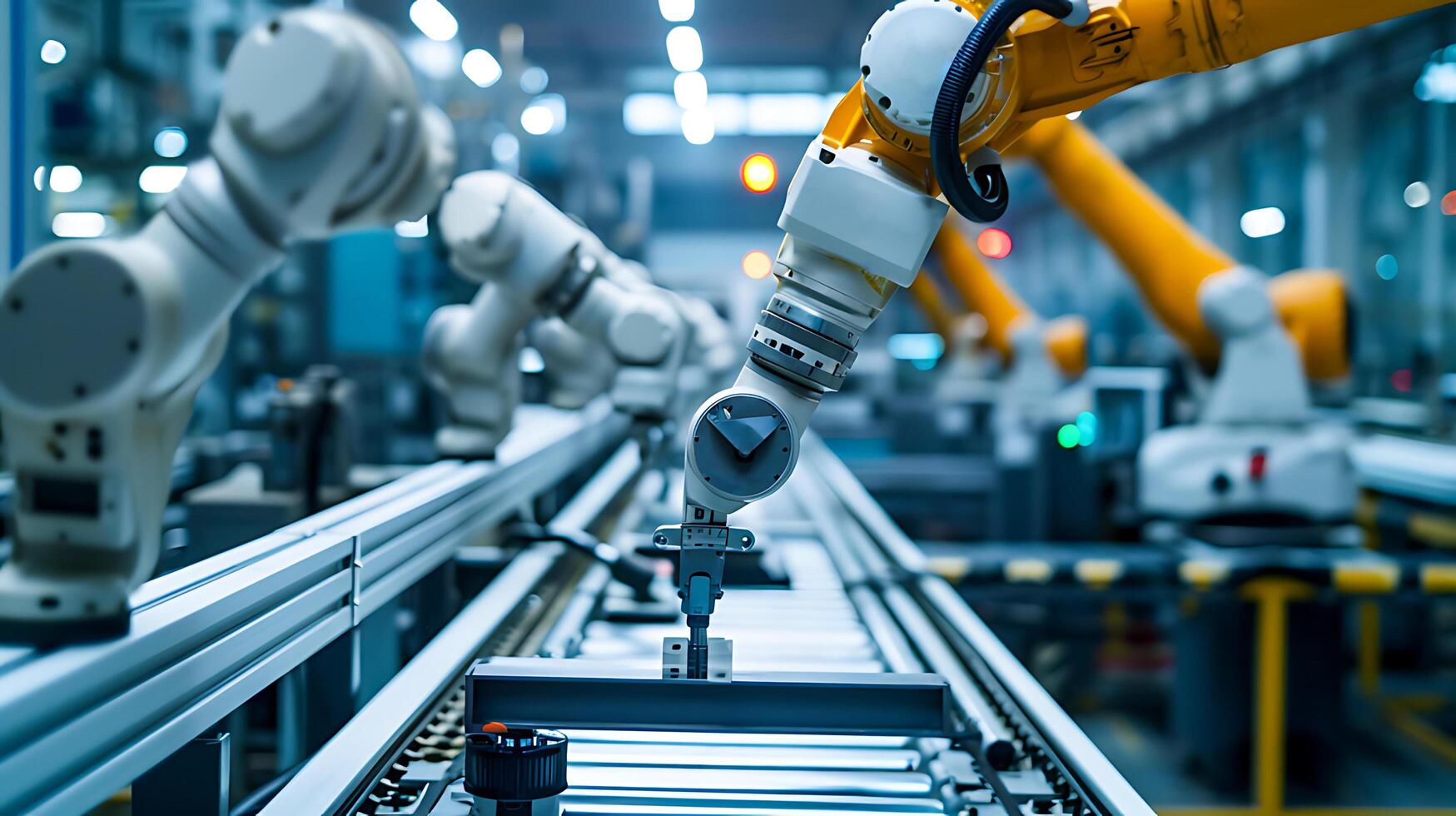
Automation has evolved from a niche industrial concept into a fundamental pillar of modern software engineering. As businesses seek to optimize efficiency and reduce human error, the definition of automation has expanded to encompass a wide range of digital processes, from simple script execution to complex artificial intelligence (AI) driven decision-making. For technical readers, understanding the nuances of these tools is essential for navigating the current landscape of bot development and process optimization.
Defining Automation in the Digital Age
At its core, automation refers to the use of control systems and machines to perform tasks with minimal human intervention. In the context of software engineering, this involves writing code or utilizing platforms that execute repetitive, rule-based, or data-intensive operations. The primary goal is to free up human resources for higher-value creative and strategic work while ensuring consistency and speed in execution.
The modern definition extends beyond simple "if-then" logic. Today, automation often integrates machine learning models that can adapt to new data, making the process dynamic rather than static. This shift is particularly evident in the development of AI bots, which can handle unstructured data and natural language interactions, tasks that were previously impossible for traditional scripts.
Types of Automation Tools
Automation tools can be categorized by their complexity and application scope. Understanding these types helps developers and managers select the right technology for specific needs.
1. Rule-Based Automation
This is the most traditional form of automation. It relies on predefined rules and logic flows. If a specific condition is met, a predetermined action is triggered. Examples include email auto-responses, data entry scripts, and basic workflow triggers. These tools are highly reliable but lack flexibility when faced with unexpected variables.
2. Process Automation (RPA)
Robotic Process Automation (RPA) uses software "bots" to mimic human actions on a digital interface. These bots can navigate websites, fill out forms, and extract data from applications. RPA is widely used in finance, HR, and customer service to handle high-volume, repetitive tasks. Unlike rule-based automation, RPA bots can interact with legacy systems that lack APIs.
3. AI-Driven Automation
The most advanced category involves AI and machine learning. These systems can learn from data, recognize patterns, and make decisions without explicit programming for every scenario. AI bots can analyze sentiment in customer feedback, predict maintenance needs, or generate content. This type of automation offers the highest level of efficiency but requires significant data infrastructure and computational power.
Practical Examples and Impact
The practical impact of automation is visible across various industries. In software development, CI/CD (Continuous Integration/Continuous Deployment) pipelines automate testing and deployment, reducing release cycles from weeks to hours. In customer support, chatbots powered by natural language processing (NLP) handle millions of inquiries simultaneously, providing instant responses and freeing up human agents for complex issues.
For businesses, the adoption of automation leads to significant cost savings and improved accuracy. However, it also requires a shift in workforce skills. Employees must move from manual execution to supervising and maintaining automated systems. This transition highlights the importance of training and upskilling in the digital era.
Automation is not just about replacing humans; it is about augmenting human capabilities to achieve greater efficiency and innovation.
This perspective underscores the collaborative nature of modern automation. The goal is not to eliminate jobs but to transform them, allowing professionals to focus on strategic thinking, creativity, and problem-solving.
The Future of Automation and AI Bots
Looking ahead, the future of automation is closely tied to advancements in AI. We can expect to see more autonomous systems capable of handling end-to-end processes with minimal oversight. The integration of AI bots into everyday software will become seamless, with tools that proactively suggest optimizations and predict potential issues before they occur.
Key trends to watch include:
- Hyper-Automation: The combination of RPA, AI, and machine learning to automate entire business processes.
- Low-Code/No-Code Platforms: Tools that allow non-technical users to build and deploy automation workflows, democratizing access to these technologies.
- Enhanced Security: As automation becomes more prevalent, securing automated systems against malicious bots and data breaches will be a top priority.
Developers and organizations must stay informed about these trends to remain competitive. Embracing automation is no longer optional; it is a necessity for survival in a fast-paced digital economy.

Conclusion
Automation continues to redefine the boundaries of what is possible in software engineering and business operations. From simple rule-based scripts to sophisticated AI-driven bots, the tools available today offer unprecedented opportunities for efficiency and innovation. As technology advances, the focus will shift from basic automation to intelligent, adaptive systems that can learn and evolve. For technical professionals, mastering these tools is key to driving the next wave of digital transformation.