
Understanding Hardware: The Physical Backbone of Modern Computing
In the rapidly evolving landscape of technology, the term "hardware" is often used interchangeably with "computer," yet it refers to a specific and critical subset of the entire system. For technical readers and enthusiasts, distinguishing between the tangible components and the intangible software is essential for understanding how modern devices function. Hardware encompasses all the physical parts of a computer system that you can touch, see, and physically manipulate. From the microscopic transistors on a processor to the large cooling fans in a server rack, these components form the execution engine of digital technology.
The Core Definition and Scope
At its most fundamental level, hardware is the physical machinery that processes data. It includes the central processing unit (CPU), which acts as the brain of the computer, executing instructions and performing calculations. Alongside the CPU, the graphics processing unit (GPU) has become increasingly vital, particularly in fields ranging from gaming to artificial intelligence. The GPU handles complex parallel processing tasks, making it indispensable for rendering graphics and accelerating machine learning workloads.
Key Components of a Modern System
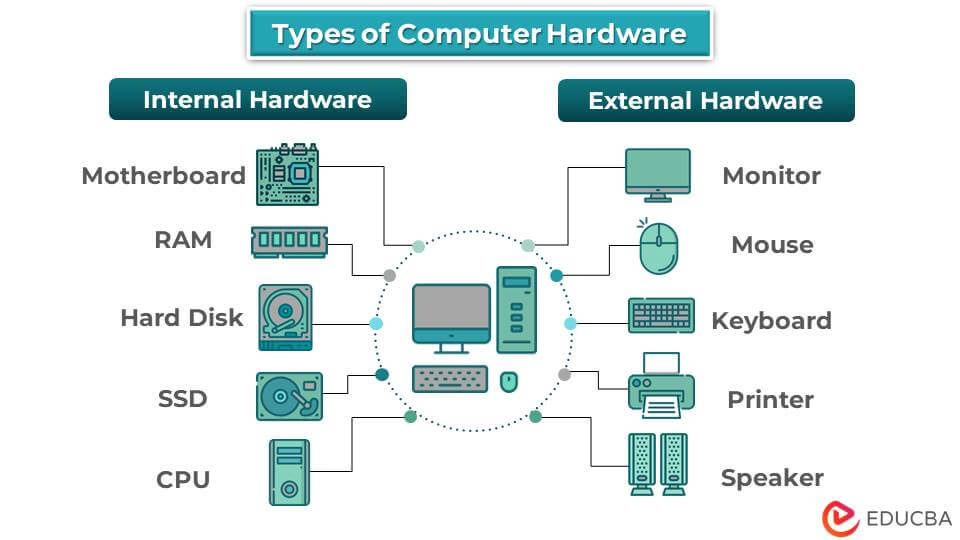
Beyond the processors, hardware includes memory and storage devices. Random Access Memory (RAM) provides temporary, high-speed storage for data that the CPU needs immediate access to. Without sufficient RAM, a system cannot efficiently run multiple applications simultaneously. Storage, on the other hand, is divided into traditional Hard Disk Drives (HDDs) and modern Solid State Drives (SSDs). SSDs have largely replaced HDDs in consumer devices due to their significantly faster read and write speeds, lack of moving parts, and improved durability.
Hardware is the physical part of a computer system, including the monitor, keyboard, mouse, and the internal components such as the CPU, RAM, and storage drives.
The Distinction Between Hardware and Software
While hardware provides the physical infrastructure, software provides the instructions that tell the hardware what to do. Software is intangible; it consists of code, data, and algorithms. The operating system, for instance, is a piece of software that manages hardware resources and provides a user interface. Applications like web browsers, word processors, and games are also software. The interaction between these two is symbiotic: software cannot run without hardware, and hardware is useless without software to direct its operations.
Input, Output, and Processing Devices
Hardware can be categorized by its function. Input devices, such as keyboards, mice, and microphones, allow users to enter data into the system. Output devices, including monitors, speakers, and printers, present processed data to the user. Processing devices, like the CPU and GPU, handle the actual computation. This triad of input, processing, and output forms the basic cycle of computer operation. Understanding these categories helps in troubleshooting issues; for example, if a monitor displays no image, the issue could be with the output device, the GPU, or the connection between them.
Practical Implications for Users and Developers
For developers and technical professionals, understanding hardware specifications is crucial for optimizing performance. When writing code, knowing the capabilities of the target hardware allows for more efficient resource management. For instance, a developer working on a graphics-intensive application must consider the GPU's capabilities to ensure smooth rendering. Similarly, system administrators must monitor hardware health, such as CPU temperature and disk usage, to prevent system failures.
The Role of Hardware in Emerging Technologies
As technology advances, the role of hardware becomes even more significant. The rise of artificial intelligence and machine learning has driven demand for specialized hardware, such as Tensor Processing Units (TPUs) and high-memory GPUs. These components are designed to handle the massive amounts of data and complex calculations required for training AI models. Furthermore, the trend toward miniaturization has led to the development of smaller, more efficient hardware components, enabling powerful computing in devices like smartphones and tablets.
Future Trends and Considerations
Looking ahead, the hardware landscape is expected to continue evolving. Innovations in semiconductor technology, such as the transition to smaller nanometer processes, will allow for more powerful and energy-efficient processors. Additionally, the integration of hardware and software is becoming tighter, with specialized chips designed for specific tasks, such as encryption or video processing. This specialization improves performance and reduces power consumption, which is critical for battery-powered devices and large-scale data centers.
For readers, staying informed about hardware developments is key to making informed purchasing decisions and understanding the capabilities of their devices. Whether you are a developer, a system administrator, or a tech enthusiast, a solid grasp of hardware fundamentals provides a foundation for navigating the complex world of modern computing. As new technologies emerge, the physical components that power them will continue to play a pivotal role in shaping the future of digital interaction.

Conclusion
Hardware is the tangible foundation of all computing systems. It encompasses the processors, memory, storage, and input/output devices that enable software to function. Understanding the different types of hardware and their roles is essential for anyone involved in technology. As hardware continues to advance, offering greater performance and efficiency, its importance in driving innovation and enabling new applications will only grow. By keeping a close eye on hardware trends and specifications, technical readers can better appreciate the power and potential of the devices they use every day.