
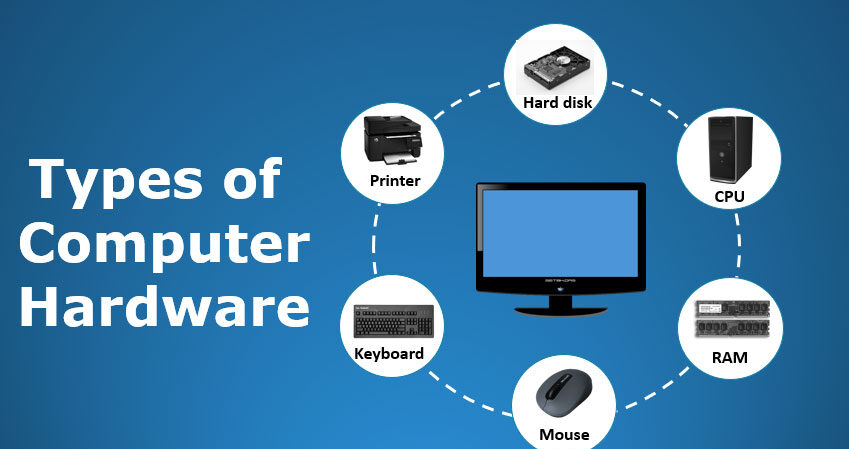
Computer hardware constitutes the physical components that make up a computer system. Unlike software, which consists of instructions and data, hardware is the tangible machinery that processes, stores, and outputs information. For technical readers and developers, understanding the interplay between these physical elements is crucial for optimizing performance, troubleshooting issues, and selecting the right tools for specific computational tasks. This article explores the core components of computer hardware, focusing on processors, graphics units, and storage devices, to provide a clear picture of how modern systems function.
The Central Processing Unit: The Brain of the System
At the heart of any computing device lies the Central Processing Unit, or CPU. The CPU is responsible for executing the instructions of a computer program. It performs basic arithmetic, logic, control, and input/output operations specified by the instructions in the program. Modern CPUs are multi-core, allowing them to handle multiple tasks simultaneously, which is essential for multitasking and parallel processing in development environments.
The performance of a CPU is often measured by its clock speed, measured in gigahertz (GHz), and its core count. However, architectural efficiency and cache size also play significant roles in determining real-world performance. For developers, choosing a CPU with a high single-thread performance is often beneficial for compilation tasks, while multi-threaded performance is critical for running virtual machines or containerized applications.
Graphics Processing Units: Beyond Gaming
While historically associated with gaming and video rendering, Graphics Processing Units (GPUs) have become indispensable in professional development and data science. GPUs are designed to handle large amounts of parallel data, making them ideal for tasks such as machine learning, deep learning, and scientific simulations.
In the context of hardware development, GPUs offer massive computational power that can be harnessed through frameworks like CUDA or OpenCL. This capability allows for the acceleration of complex algorithms that would be too slow on a CPU alone. As the demand for AI and high-performance computing grows, the role of the GPU in the broader hardware landscape continues to expand, moving from a peripheral component to a central processing powerhouse.
The physical components of a computer system, known as hardware, are the tangible parts that can be touched and seen, distinct from the intangible software that runs on them.
Memory and Storage: The Data Foundation
Hardware performance is not solely determined by processing power; it is heavily influenced by memory and storage subsystems. Random Access Memory (RAM) serves as the short-term workspace for the CPU, holding data that is actively being used. The speed and capacity of RAM directly impact how quickly a system can respond to user inputs and how many applications can run simultaneously without degradation.
Storage devices, such as Solid State Drives (SSDs) and Hard Disk Drives (HDDs), provide long-term data retention. SSDs, which use flash memory, offer significantly faster read and write speeds compared to traditional HDDs. For developers, this translates to faster project loading times, quicker database queries, and more efficient file operations. The choice between different types of storage hardware can have a profound effect on the overall user experience and system efficiency.
The Role of Motherboards and Connectivity
The motherboard is the main circuit board that connects all the components together. It provides the pathways for data to travel between the CPU, GPU, RAM, and storage devices. The quality and design of the motherboard can influence the stability and expandability of a system. Features such as the number of USB ports, PCIe slots, and network interfaces are critical considerations for developers who need to connect multiple peripherals or high-speed network adapters.
Practical Implications for Developers
Understanding the specifics of computer hardware allows developers to make informed decisions about their development environments. For instance, a developer working on 3D graphics or video editing might prioritize a high-end GPU and ample RAM, while a backend developer might focus on CPU core count and storage speed. By aligning hardware choices with specific workload requirements, developers can maximize productivity and minimize bottlenecks.
Furthermore, knowledge of hardware limitations helps in writing more efficient code. For example, being aware of cache hierarchy can guide developers in structuring data for better memory access patterns, leading to faster execution times. This symbiotic relationship between hardware capabilities and software design is a key aspect of modern computing.
Future Trends in Hardware Development
The field of computer hardware is constantly evolving. Emerging technologies such as 3D stacking, advanced lithography processes, and specialized accelerators for AI workloads are pushing the boundaries of what is possible. As these technologies mature, they will likely become more accessible to the average developer, offering new opportunities for innovation and performance gains.
Additionally, the rise of edge computing and IoT devices is driving the development of smaller, more power-efficient hardware components. These devices require hardware that can deliver significant processing power while consuming minimal energy, a challenge that hardware engineers are actively addressing.

Conclusion
Computer hardware is the foundation upon which all digital experiences are built. From the CPU that executes instructions to the GPU that processes graphics and the storage that retains data, each component plays a vital role in the overall performance of a system. For technical readers and developers, a deep understanding of these components is not just beneficial but essential for optimizing workflows, solving performance issues, and staying ahead in a rapidly evolving technological landscape. By keeping an eye on hardware trends and advancements, developers can ensure that their tools are always aligned with the demands of modern software development.