
Understanding Automation: Definition, Types, and Future Trends
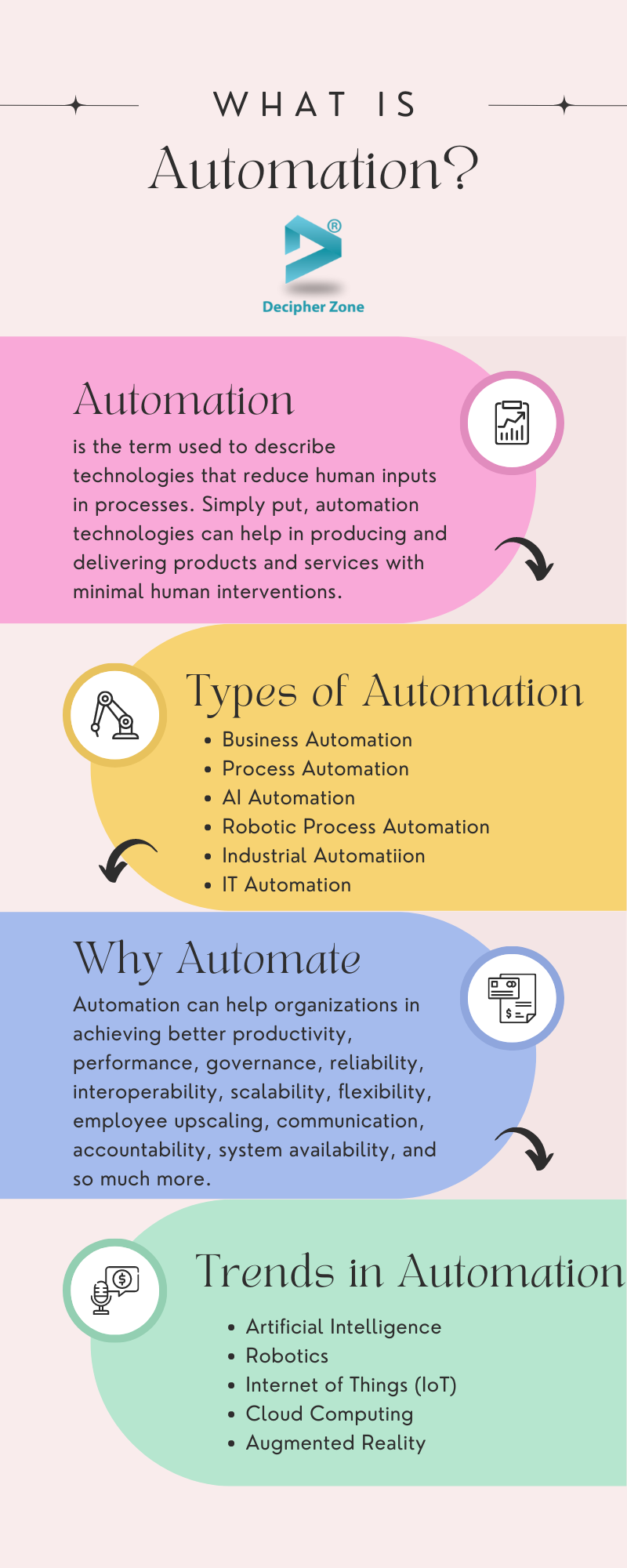
Automation stands as a cornerstone of modern technological advancement, fundamentally reshaping how businesses operate and how individuals interact with digital systems. At its core, automation refers to the use of control systems, such as machines or computers, to perform tasks with minimal human intervention. This concept extends far beyond simple mechanical repetition; it encompasses a wide array of software-driven processes that enhance efficiency, reduce errors, and free up human resources for more complex, creative, or strategic work. As we delve into the specifics, it becomes clear that automation is not a single technology but a spectrum of tools and methodologies designed to optimize workflows across various industries.
Defining the Scope of Automation
To understand automation, one must first distinguish it from mere mechanization. While mechanization involves the use of machines to replace human physical labor, automation adds the element of self-regulation and decision-making. In the context of software engineering and IT, automation involves writing scripts or using specialized platforms to execute repetitive tasks. This includes everything from deploying code to production servers to generating daily reports from raw data. The primary goal is to create a system that can run independently, ensuring consistency and speed.
Key Types of Automation
Automation is generally categorized into several distinct types, each serving specific needs within an organization. Understanding these categories helps professionals select the right tools for their specific challenges.
1. Business Process Automation (BPA)
Business Process Automation focuses on streamlining end-to-end business workflows. This type of automation integrates various software applications to ensure that data flows seamlessly between departments. For example, when a customer places an order, BPA can automatically update inventory levels, trigger a shipping notification, and generate an invoice without any manual data entry. This reduces the risk of human error and accelerates the overall process.
2. Robotic Process Automation (RPA)
Robotic Process Automation is a rapidly growing field that uses software 'bots' to mimic human actions on a digital interface. RPA bots can log into applications, read data, fill in forms, and extract information. Unlike traditional automation, RPA can be implemented quickly without requiring extensive changes to existing IT infrastructure. It is particularly effective for high-volume, rule-based tasks such as data migration or customer service inquiries.
3. IT Infrastructure Automation
In the realm of IT, automation is critical for managing complex server environments. This includes automating the provisioning of cloud resources, managing network configurations, and handling security patches. Tools like Ansible, Puppet, and Terraform are commonly used to ensure that infrastructure is deployed consistently and reliably. This type of automation is essential for DevOps practices, where speed and reliability are paramount.
Practical Examples and Impact
The practical impact of automation is evident in numerous real-world applications. In the financial sector, automated trading algorithms execute thousands of transactions per second, reacting to market changes faster than any human trader could. In healthcare, automation assists in managing patient records and scheduling, allowing medical staff to focus more on patient care. In manufacturing, robotic arms and automated assembly lines increase production rates while maintaining high quality standards.
Automation is not about replacing humans, but about augmenting their capabilities to achieve greater efficiency and innovation.
This perspective highlights the collaborative nature of modern automation. Rather than viewing automated systems as threats to employment, organizations are increasingly seeing them as partners that handle the mundane, allowing employees to focus on high-value activities. For instance, in customer support, chatbots can handle initial queries, freeing up human agents to resolve complex issues that require empathy and nuanced understanding.
The Future of Automation
Looking ahead, the future of automation is closely tied to the advancement of Artificial Intelligence (AI) and Machine Learning (ML). Traditional automation relies on predefined rules, but AI-driven automation can learn from data and adapt to new situations. This shift towards intelligent automation promises to make systems more flexible and capable of handling unstructured tasks. For example, an AI-powered system could analyze customer feedback to identify emerging trends and suggest product improvements without explicit programming for each scenario.
Furthermore, the integration of the Internet of Things (IoT) with automation will lead to smarter, more connected environments. In smart homes and smart cities, automated systems will adjust lighting, heating, and traffic flows in real-time based on sensor data. This convergence of technologies will create more responsive and efficient systems that benefit both businesses and consumers.

Conclusion
Automation is a vital component of the modern digital landscape, offering significant benefits in terms of efficiency, accuracy, and cost reduction. By understanding the different types of automation and their applications, organizations can make informed decisions about which tools to adopt. As AI and IoT continue to evolve, the scope of automation will expand, opening up new possibilities for innovation and productivity. For technical readers and professionals, staying informed about these trends is essential for navigating the rapidly changing technological environment.