
Automation has evolved from a niche industrial concept into a fundamental pillar of modern software engineering and business operations. As organizations seek to optimize efficiency and reduce human error, the definition of automation has expanded to encompass a wide array of technologies, from simple script-based tasks to complex artificial intelligence-driven systems. For technical readers, understanding the core principles, types, and practical applications of automation is essential for navigating the current technological landscape.
Defining Automation in the Digital Age
At its core, automation refers to the use of control systems, such as computers or robots, to perform a process or procedure with minimal human assistance. In the context of software engineering, this involves the creation of scripts, bots, and workflows that execute repetitive tasks automatically. The primary goal is not merely to replace human labor but to augment human capability, allowing teams to focus on high-value strategic activities while routine operations are handled by machines.
The distinction between manual and automated processes is critical. Manual processes are prone to fatigue, inconsistency, and delay. Automated processes, by contrast, offer consistency, speed, and the ability to operate continuously without downtime. This shift is particularly evident in areas like software testing, data entry, and customer service, where precision and scale are paramount.
Key Types of Automation
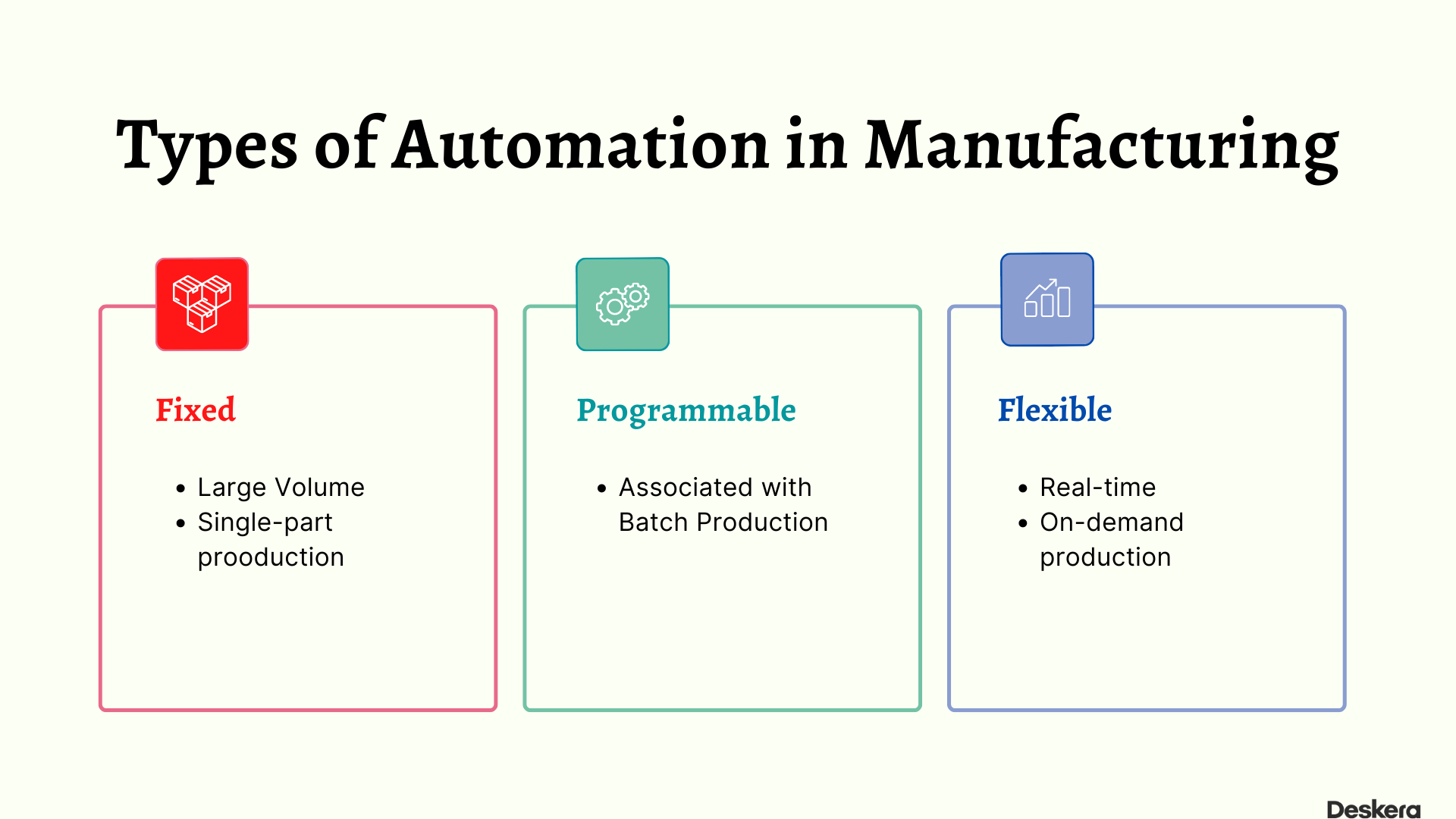
Automation is not a monolithic technology; it is categorized into several distinct types based on complexity and application. Understanding these categories helps professionals select the right tools for specific challenges.
1. Fixed Automation
Also known as hard automation, this type is designed for high-volume production of a single product or task. It is highly efficient but inflexible. Examples include assembly lines in manufacturing where the process is rigid and unchanging. In software terms, this might resemble a hardcoded script that performs a specific, unvarying task without the ability to adapt to new inputs.
2. Programmable Automation
This type allows for the modification of the process to accommodate different products or tasks. It is commonly used in batch production environments. In the digital realm, this translates to configurable workflows where parameters can be adjusted to handle different data sets or user scenarios. This flexibility makes it suitable for organizations that need to handle diverse but structured tasks.
3. Flexible Automation
Flexible automation combines the speed of fixed automation with the adaptability of programmable systems. It is capable of switching between tasks with minimal downtime. This is the domain of advanced AI and machine learning tools that can learn from data and adjust their behavior in real-time. For example, a chatbot that learns from user interactions to improve its responses over time represents flexible automation.
Practical Examples and Impact
The practical impact of automation is visible across various industries. In software development, continuous integration and continuous deployment (CI/CD) pipelines automate the testing and deployment of code, significantly reducing release cycles. In customer service, AI-powered chatbots handle thousands of inquiries simultaneously, providing instant responses and freeing up human agents for complex issues.
Consider the case of a large e-commerce platform. By implementing automated inventory management systems, the company can predict demand, restock items, and adjust pricing in real-time. This not only improves customer satisfaction but also optimizes profit margins. The ability to process vast amounts of data quickly is a key driver of this success.
Automation is not just about doing things faster; it is about doing things smarter, allowing humans to focus on creativity and strategy.
This perspective highlights the strategic value of automation. It is not merely a cost-cutting measure but a tool for innovation. By offloading repetitive tasks, organizations can allocate their human resources to areas that require critical thinking, empathy, and creative problem-solving.
The Future of Automation and AI
Looking ahead, the integration of artificial intelligence and machine learning will further transform the landscape of automation. Future systems will be more autonomous, capable of making decisions without explicit programming. This shift towards autonomous automation will require new skills from technical professionals, including data science, AI ethics, and complex system design.
Readers should watch for the emergence of hyper-automated environments where multiple AI agents collaborate to achieve complex goals. This will require robust governance frameworks to ensure that automated systems operate safely and ethically. The challenge will be to balance efficiency with accountability, ensuring that human oversight remains a critical component of the automation ecosystem.

Conclusion
Automation is a dynamic field that continues to evolve with technological advancements. From fixed industrial processes to flexible AI-driven systems, the types of automation available today offer unprecedented opportunities for efficiency and innovation. For technical readers, staying informed about these developments is crucial for leveraging automation effectively. As AI tools become more sophisticated, the role of automation will expand, reshaping industries and redefining the nature of work. The key to success will lie in understanding the nuances of different automation types and applying them strategically to solve real-world problems.