
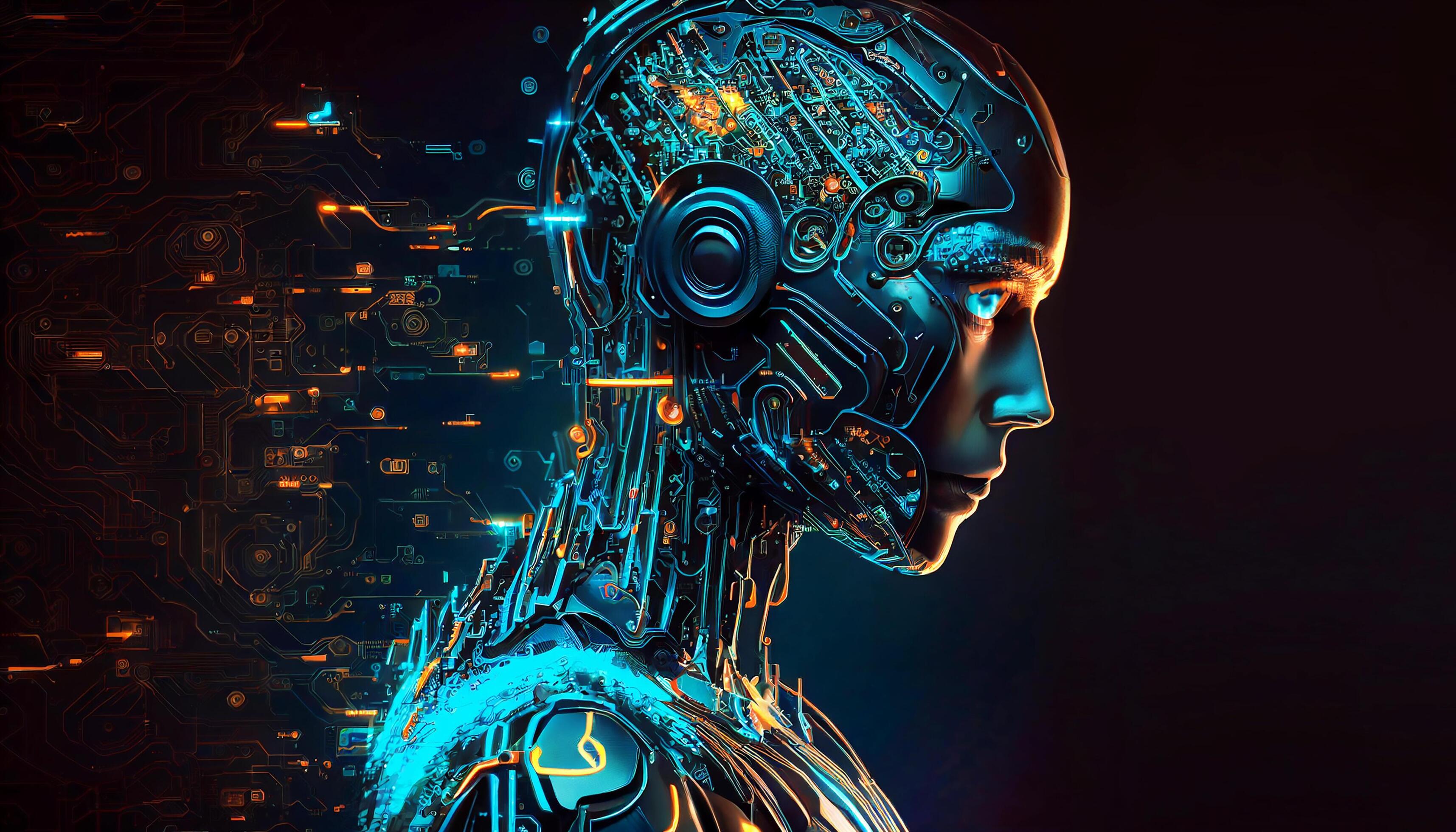
Artificial Intelligence Moves to the Desktop
The landscape of personal computing is undergoing a fundamental shift as artificial intelligence transitions from cloud-based services to local, on-device processing. For years, AI capabilities were largely confined to massive data centers, requiring high-speed internet connections to access advanced models. However, recent innovations in hardware architecture and software optimization are enabling powerful AI features to run directly on consumer PCs. This shift promises faster response times, enhanced privacy, and reduced dependency on external servers, marking a new era for the personal computer.
Hardware Evolution: The Rise of NPU
At the heart of this transformation is the evolution of the Central Processing Unit (CPU) and the introduction of specialized hardware. Modern processors now include Neural Processing Units (NPUs), dedicated chips designed to handle AI workloads efficiently. Unlike general-purpose CPUs, which can struggle with the parallel processing required for machine learning, NPUs are optimized for these specific tasks. This hardware innovation allows PCs to perform complex AI operations, such as real-time video enhancement, background blur, and natural language processing, without draining the battery or overheating the system.
Manufacturers have integrated these NPUs into a wide range of devices, from high-end gaming laptops to budget-friendly ultrabooks. This widespread adoption means that AI is no longer a luxury feature reserved for enterprise workstations but a standard component of modern PC design. The practical impact is significant: users can experience seamless, intelligent interactions with their devices, such as voice assistants that understand context and applications that adapt to user behavior in real-time.
Artificial intelligence is not just a software update; it is a fundamental redefinition of what a personal computer can do, moving from a tool for execution to a partner for intelligence.
Software Integration and Practical Impact
Hardware alone is insufficient without robust software integration. Operating systems and major application suites are being redesigned to leverage local AI capabilities. For instance, operating systems now use AI to optimize power management, predicting user habits to extend battery life. Productivity applications are incorporating generative AI features that can summarize documents, draft emails, and generate code snippets locally. This local processing ensures that sensitive data remains on the user's device, addressing significant privacy concerns associated with cloud-based AI services.
The practical impact for the average user is a more intuitive and efficient computing experience. Tasks that previously required manual effort, such as organizing photos by content or transcribing audio meetings, can now be automated with a single click. Furthermore, the reduction in latency means that AI responses are nearly instantaneous, making interactions feel more natural and fluid. This is particularly beneficial for creative professionals who rely on real-time feedback and iteration in their workflows.
Challenges and Considerations
Despite the rapid progress, the integration of AI into PCs is not without challenges. One major concern is the energy consumption of AI workloads. While NPUs are more efficient than CPUs for these tasks, running multiple AI applications simultaneously can still place a significant load on the system, potentially affecting battery life and thermal performance. Additionally, there is a learning curve for users to understand how to best utilize these new features. Many AI capabilities are hidden in settings or require specific configurations to activate, leading to underutilization of the hardware's potential.
Another challenge is the standardization of AI models. Different manufacturers use different AI frameworks and models, which can lead to inconsistencies in performance and compatibility. This fragmentation may hinder the development of a unified ecosystem where AI applications work seamlessly across all devices. Industry bodies are working to establish common standards, but progress is slow, and users may need to be mindful of the specific AI capabilities supported by their hardware.
What to Watch Next
As AI continues to permeate the PC ecosystem, several trends are worth monitoring. First, the integration of multimodal AI, which can process and combine data from text, images, and audio, is expected to become more common. This will enable more complex and context-aware applications, such as virtual assistants that can understand visual cues from a webcam. Second, the development of smaller, more efficient AI models will allow even lower-end devices to support advanced AI features, democratizing access to these technologies.
Furthermore, the rise of edge computing, where data is processed at the source rather than in the cloud, will likely accelerate the adoption of local AI. This trend is driven by the need for lower latency and higher privacy, particularly in industries such as healthcare and finance. As these technologies mature, we can expect to see a new generation of PCs that are not just faster, but smarter, capable of anticipating user needs and providing personalized assistance.

Conclusion
The integration of artificial intelligence into personal computers represents a pivotal moment in the history of computing. By moving AI processing from the cloud to the device, manufacturers are addressing key concerns around privacy, latency, and connectivity. The combination of specialized hardware like NPUs and sophisticated software integration is creating a more intuitive and efficient user experience. While challenges remain in terms of energy efficiency and standardization, the trajectory is clear: the PC is evolving into an intelligent partner, capable of handling complex tasks with minimal user intervention. For tech enthusiasts and professionals alike, staying informed about these developments is crucial to leveraging the full potential of modern computing.