
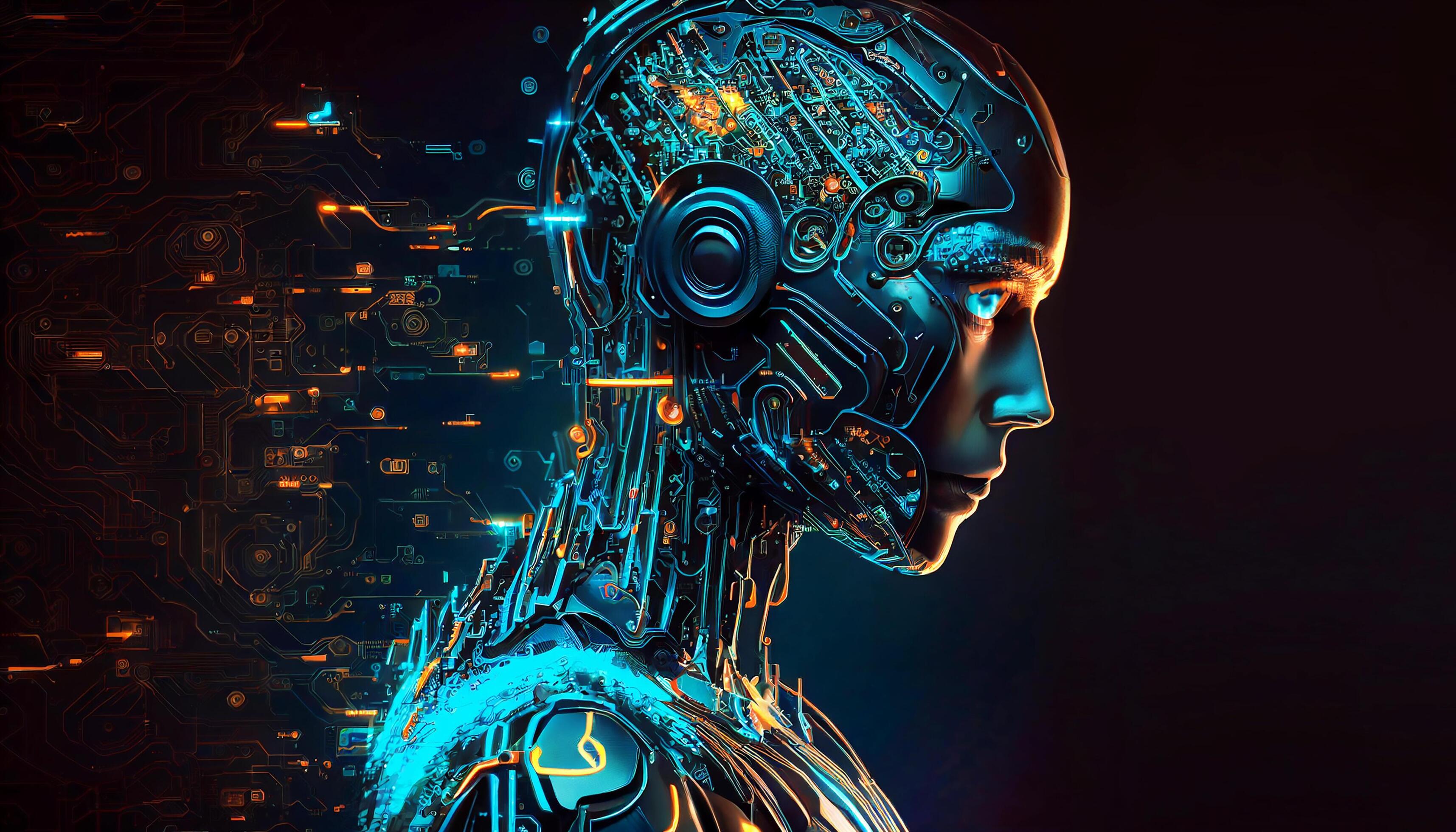
The landscape of personal computing is undergoing a profound transformation, driven not by faster processors or larger screens, but by the integration of artificial intelligence. As we move further into the era of generative AI, the definition of a "smart" device is evolving. For technical readers and enthusiasts, understanding the underlying mechanics of this shift is crucial. The focus has moved from simple automation to complex, adaptive systems that can reason, create, and interact with users in natural ways.
The Core of Modern AI Innovation
At the heart of this revolution lies the advancement of large language models (LLMs) and neural network architectures. These systems are no longer just pattern-matching engines; they are becoming cognitive tools that can process vast amounts of data to generate novel outputs. This innovation is particularly impactful in the PC sector, where local processing power is increasingly being leveraged to run these models directly on user hardware. This shift towards "on-device" AI promises significant benefits in terms of privacy, latency, and offline capability.
Recent developments have seen a surge in specialized hardware designed to handle AI workloads efficiently. Graphics Processing Units (GPUs) and dedicated Neural Processing Units (NPUs) are now standard features in high-end laptops and desktops. This hardware evolution allows for real-time inference, meaning that AI tasks such as image generation, code completion, and natural language translation can occur instantly without relying on cloud servers.
Practical Implications for Users
The practical impact of these technologies is already visible in everyday software. Operating systems are integrating AI assistants that can summarize documents, rewrite emails, and even automate complex workflows. For developers, AI-powered coding assistants are becoming indispensable, capable of generating boilerplate code, identifying bugs, and optimizing performance. This symbiosis between human intent and machine execution is redefining productivity.
However, the integration of AI into PCs is not without challenges. Power consumption remains a critical factor, as running large models locally requires significant energy. Furthermore, the quality of AI outputs depends heavily on the quality of the training data, raising questions about bias and accuracy. Users must remain critical of AI-generated content, treating it as a draft rather than a final product.
The integration of AI into personal computing marks a pivotal moment where technology begins to anticipate user needs, shifting the paradigm from reactive tools to proactive partners.

What to Watch Next
Looking ahead, several trends will define the next phase of AI innovation in PCs. First, the miniaturization of models will allow sophisticated AI features to run on mid-range devices, democratizing access to these tools. Second, we can expect tighter integration between AI and operating system kernels, leading to more seamless and intuitive user experiences. Finally, the development of multimodal AI systems that can process text, image, and audio simultaneously will unlock new possibilities for creative and professional applications.
As the technology matures, the distinction between "AI" and "computing" will blur. The PC will no longer just be a tool for executing commands but a platform for collaborative intelligence. For technical readers, staying informed about these developments is essential to leveraging the full potential of this new computing era. The future of personal computing is not just about speed; it is about intelligence.