
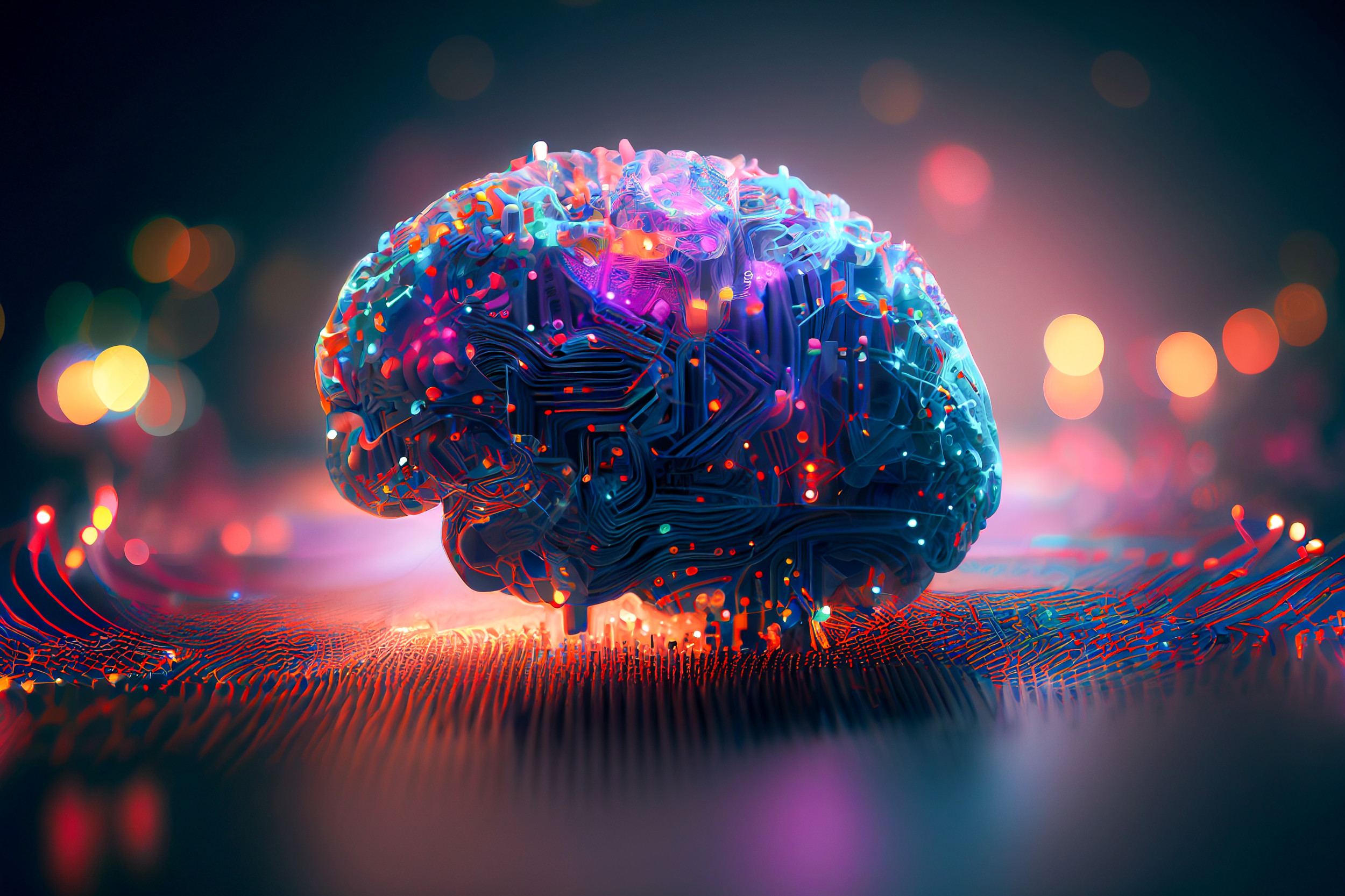
The rapid evolution of artificial intelligence has moved beyond the realm of theoretical research to become a tangible force reshaping the personal computer industry. For years, AI was primarily associated with massive data centers and cloud-based services, but recent innovations have brought powerful AI capabilities directly to the user's desktop. This shift is not merely about faster processing speeds; it represents a fundamental change in how users interact with their hardware and software, creating a new category of devices often referred to as AI PCs.
The Shift to On-Device Intelligence
Traditionally, complex AI tasks such as image generation, natural language processing, and real-time video enhancement required significant cloud connectivity. However, the latest generation of processors and dedicated neural processing units (NPUs) are enabling these tasks to run locally on the PC. This transition offers several critical advantages, including improved privacy, reduced latency, and the ability to function effectively even in offline environments. By processing data locally, AI PCs ensure that sensitive user information does not need to be transmitted to external servers, addressing a major concern for enterprise and individual users alike.
Hardware Innovations Driving the Change
At the heart of this transformation is the integration of specialized hardware designed specifically for AI workloads. Modern CPUs and GPUs are now accompanied by NPUs, which are optimized to handle the specific mathematical operations required for neural networks. These components allow for efficient inference, meaning the AI models can make predictions and generate outputs with minimal power consumption. This efficiency is crucial for maintaining battery life in laptops while still delivering high-performance AI features. Manufacturers are racing to integrate these technologies into their latest product lines, signaling a clear industry consensus that AI is no longer an optional add-on but a core component of modern computing.
The integration of AI into the core architecture of personal computers marks a pivotal moment in technology history, where the device itself becomes an intelligent partner rather than just a tool.
Practical Impacts for Users
For the average user, the practical impact of AI-powered PCs is already visible in everyday applications. Video conferencing tools now use AI to automatically frame speakers, reduce background noise, and even translate languages in real-time. Content creators benefit from AI-assisted editing tools that can remove backgrounds, enhance image resolution, and suggest color corrections with a single click. In professional settings, developers use AI to debug code and generate documentation, significantly speeding up the software development lifecycle. These features are not just novelties; they are productivity enhancers that reduce the cognitive load on users, allowing them to focus on creative and strategic tasks rather than repetitive manual processes.
Challenges and Considerations
Despite the clear benefits, the adoption of AI PCs is not without its challenges. The increased complexity of hardware and software stacks can lead to higher costs for consumers. Additionally, there is a learning curve associated with leveraging these new AI features effectively. Users must understand the capabilities and limitations of on-device AI to avoid over-reliance or misuse. Furthermore, the energy consumption of running AI models, even on efficient NPUs, can impact battery life, requiring careful optimization by software developers. Addressing these challenges will require close collaboration between hardware manufacturers, software developers, and users to create a seamless and intuitive experience.

What to Watch Next
As we look to the future, several key trends will define the next phase of AI in the PC space. First, we can expect a broader range of AI applications to emerge, tailored to specific industries such as healthcare, finance, and education. These specialized AI models will likely run locally, ensuring data security and compliance with industry regulations. Second, the integration of AI with other emerging technologies, such as augmented reality and the Internet of Things, will create new possibilities for interactive and immersive computing experiences. Finally, the development of more efficient and smaller AI models will allow for AI capabilities to be embedded in even more devices, from smartphones to smart home appliances, creating a cohesive ecosystem of intelligent devices.
The journey of AI in the PC industry is just beginning. As technology continues to advance, the line between human and machine intelligence will blur, offering unprecedented opportunities for innovation and productivity. For readers and professionals, staying informed about these developments is crucial to leveraging the full potential of AI-powered computing. The future of the PC is not just about raw power; it is about intelligence, adaptability, and seamless integration into our daily lives.