
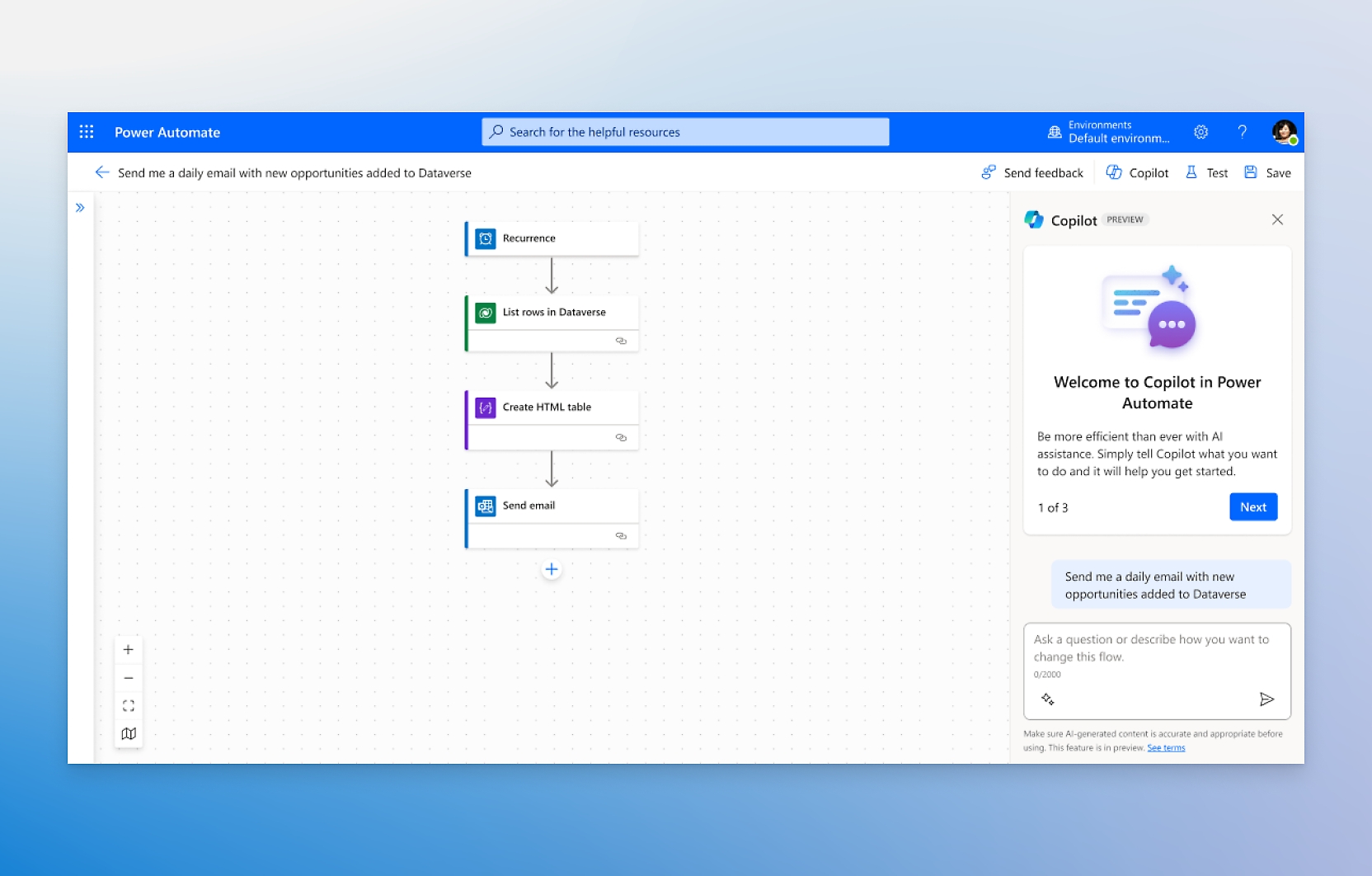
The landscape of business process automation is undergoing a significant transformation, driven by the integration of artificial intelligence into core productivity suites. At the center of this shift is Microsoft Power Automate, a platform that has evolved from a simple tool for connecting applications into a sophisticated engine for intelligent workflow orchestration. For technical readers and enterprise architects, understanding the current capabilities of Power Automate is no longer optional; it is a critical component of modern digital strategy. This article examines how the platform leverages AI to redefine operational efficiency and what this means for the future of enterprise automation.
The Evolution of Workflow Automation
Traditionally, workflow automation focused on rigid, rule-based tasks. If condition A is met, execute action B. While effective for repetitive processes, this approach lacks the flexibility required for complex, data-heavy business environments. Microsoft has addressed this limitation by embedding AI capabilities directly into the Power Platform. The result is a system that does not merely follow instructions but can interpret context, predict outcomes, and adapt processes in real-time. This shift marks a departure from basic scripting toward true intelligent automation.
Integrating AI into the Core
Power Automate now serves as the connective tissue between Microsoft’s vast ecosystem of services, including Dynamics 365, SharePoint, and Teams. The integration of AI allows for the creation of flows that can process unstructured data, such as emails or documents, and extract meaningful information without manual intervention. For example, an automated flow can now analyze incoming customer support tickets, categorize them based on sentiment and urgency, and route them to the appropriate team member. This capability reduces the cognitive load on human workers and accelerates response times significantly.
Power Automate enables organizations to automate repetitive tasks and connect apps and services, allowing teams to focus on high-value work.
This statement underscores the fundamental value proposition of the platform: it is not about replacing human labor, but about augmenting human capability. By handling the mundane aspects of business operations, the platform frees up skilled professionals to engage in strategic thinking and creative problem-solving. The practical impact is a measurable increase in productivity and a reduction in operational errors.
Practical Implications for Enterprises
For large organizations, the adoption of AI-driven automation presents both opportunities and challenges. The primary benefit is scalability. As business volumes increase, traditional manual processes often break down under pressure. AI-powered workflows, however, can scale almost indefinitely without a corresponding increase in headcount. This makes them ideal for industries with high transaction volumes, such as finance, logistics, and healthcare.
Security and Governance
However, the deployment of AI in business processes raises important questions regarding security and governance. Microsoft has addressed these concerns by integrating robust security features into Power Automate. These include role-based access control, audit logging, and compliance certifications. For technical teams, this means that automation can be deployed within existing security frameworks, ensuring that sensitive data remains protected. The ability to monitor and audit automated processes is crucial for maintaining trust and regulatory compliance.
What Readers Should Watch Next
As AI technology continues to advance, the capabilities of Power Automate are expected to expand further. One area to watch is the development of more sophisticated natural language processing (NLP) features. These will allow users to create and modify workflows using plain language, lowering the barrier to entry for non-technical staff. Another trend to monitor is the integration of generative AI, which could enable the platform to draft responses, summarize reports, and even suggest new process improvements based on historical data.
Furthermore, the convergence of Power Automate with other Microsoft AI services, such as Azure AI, will likely lead to more powerful and flexible automation solutions. This convergence will enable organizations to build end-to-end intelligent systems that can handle complex, multi-step processes involving data analysis, decision-making, and execution.

Conclusion
Microsoft Power Automate represents a pivotal step in the evolution of business process automation. By integrating AI into its core, the platform offers a powerful tool for organizations seeking to enhance efficiency and agility. For technical readers, the key takeaway is that automation is no longer just about connecting apps; it is about leveraging intelligence to create smarter, more responsive business processes. As the technology matures, the distinction between human and machine-driven tasks will continue to blur, requiring a new approach to workforce planning and process design. The organizations that embrace this shift will be best positioned to thrive in an increasingly automated world.