
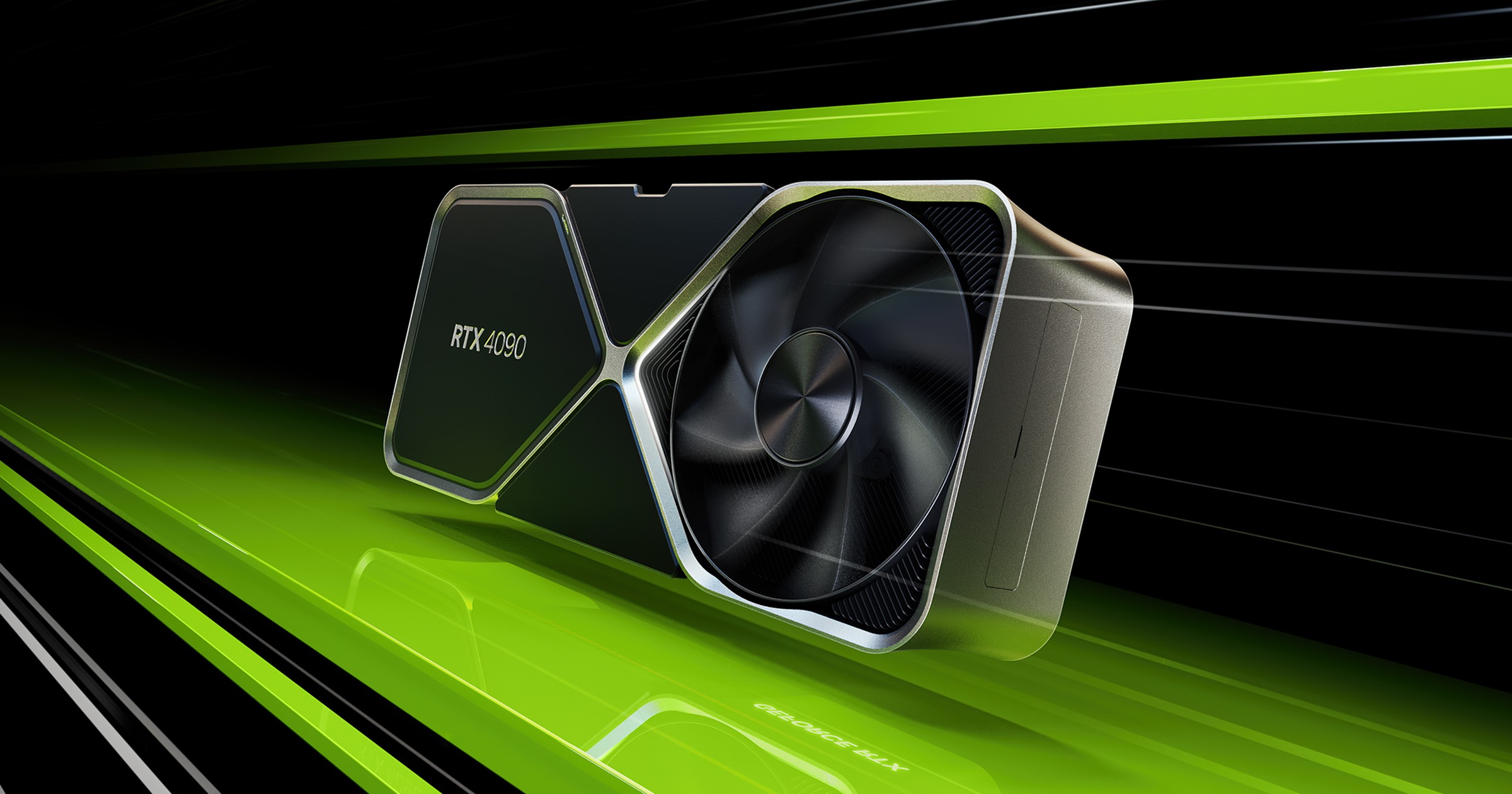
The landscape of graphics processing units (GPUs) continues to evolve at a rapid pace, driven by the dual demands of high-performance gaming and the burgeoning field of artificial intelligence. As the backbone of modern computing power, GPUs have transitioned from niche components for enthusiasts to critical infrastructure for data centers and professional workstations. For technical readers and hardware enthusiasts, understanding the current state of the GPU market is essential for making informed purchasing decisions and anticipating future technological shifts.
The Current State of GPU Hardware
Recent developments in the GPU sector highlight a significant focus on efficiency and architectural innovation. Manufacturers are no longer solely competing on raw teraflops; instead, the emphasis has shifted toward performance-per-watt and specialized tensor cores for AI workloads. This shift is evident in the latest generations of consumer and professional cards, which feature advanced ray tracing capabilities and improved memory bandwidth. These enhancements allow for more realistic graphics in gaming and faster training times for machine learning models.
Architectural Improvements
Modern GPU architectures incorporate dedicated hardware for AI acceleration, which has become a standard feature rather than a premium add-on. This integration ensures that even mid-range cards can handle basic AI tasks, such as image upscaling and background generation, without significantly impacting frame rates. Furthermore, the adoption of newer memory standards, such as GDDR6X and HBM3, has alleviated some of the bandwidth bottlenecks that previously limited performance in memory-intensive applications.
Performance per watt is now the primary metric for evaluating GPU efficiency, reflecting the industry's pivot toward sustainable and scalable computing solutions.
This change in priority underscores a broader industry trend where thermal constraints and power consumption are as critical as peak performance. As a result, we are seeing more sophisticated power management systems that dynamically adjust clock speeds and voltage based on workload demands. This not only extends the lifespan of the hardware but also reduces the overall energy footprint of high-performance computing setups.
Market Dynamics and Availability
The availability of GPUs has stabilized compared to the shortages experienced in previous years. While demand remains high, particularly for top-tier models, supply chains have become more resilient. This stability allows for more predictable pricing and easier access for both individual consumers and enterprise buyers. However, the market is still segmented, with high-end cards often commanding a premium due to their specialized capabilities in AI and professional visualization.
Impact on Professional Workflows
For professionals in fields such as video editing, 3D rendering, and scientific simulation, the latest GPU offerings provide substantial improvements in workflow efficiency. The ability to handle larger datasets and more complex simulations in real-time has reduced turnaround times for projects that previously required extensive post-processing. This efficiency gain is particularly valuable in industries where time-to-market is a critical factor.
Moreover, the interoperability between different GPU ecosystems has improved, with better support for cross-platform frameworks and libraries. This means that developers and researchers can more easily migrate their workloads between different hardware platforms, reducing the lock-in effects that were once a significant barrier to entry.
What to Watch Next
Looking ahead, several key trends are expected to shape the GPU market in the coming months. First, the continued integration of AI-specific features is likely to become more pronounced, with manufacturers introducing new tools and software optimizations to leverage these capabilities. Second, the development of more energy-efficient architectures will remain a priority, driven by both consumer demand for lower power bills and regulatory pressures to reduce carbon emissions.
Additionally, the rise of cloud-based GPU services is expected to impact the local hardware market. As more users opt for cloud rendering and AI processing, the demand for high-end local GPUs may shift toward specialized use cases that require low latency and high data privacy. This trend could lead to a more diverse product lineup, with a greater emphasis on mid-range cards that offer a balance of performance and cost-effectiveness.
Practical Implications for Buyers
For those considering a GPU upgrade, it is important to assess your specific needs. If your primary use case is gaming, focus on models with strong ray tracing performance and high frame rates at your target resolution. For AI and machine learning tasks, prioritize cards with larger memory capacities and higher memory bandwidth, as these factors often have a more significant impact on performance than raw compute power.
It is also advisable to monitor driver updates and software optimizations, as these can significantly improve the performance of existing hardware. Manufacturers regularly release updates that enhance compatibility with new games and applications, as well as fix bugs and improve stability. Keeping your drivers up to date ensures that you are getting the best possible performance from your GPU.

Conclusion
The GPU market is in a state of dynamic transition, with a clear focus on efficiency, AI capabilities, and sustainability. While the hardware itself continues to improve, the software ecosystem and market dynamics are equally important factors to consider. By staying informed about these trends and understanding your specific requirements, you can make a more informed decision when selecting a GPU for your needs. As the industry continues to evolve, the importance of GPUs in both consumer and professional computing will only grow, making them a critical component of the modern technology stack.