
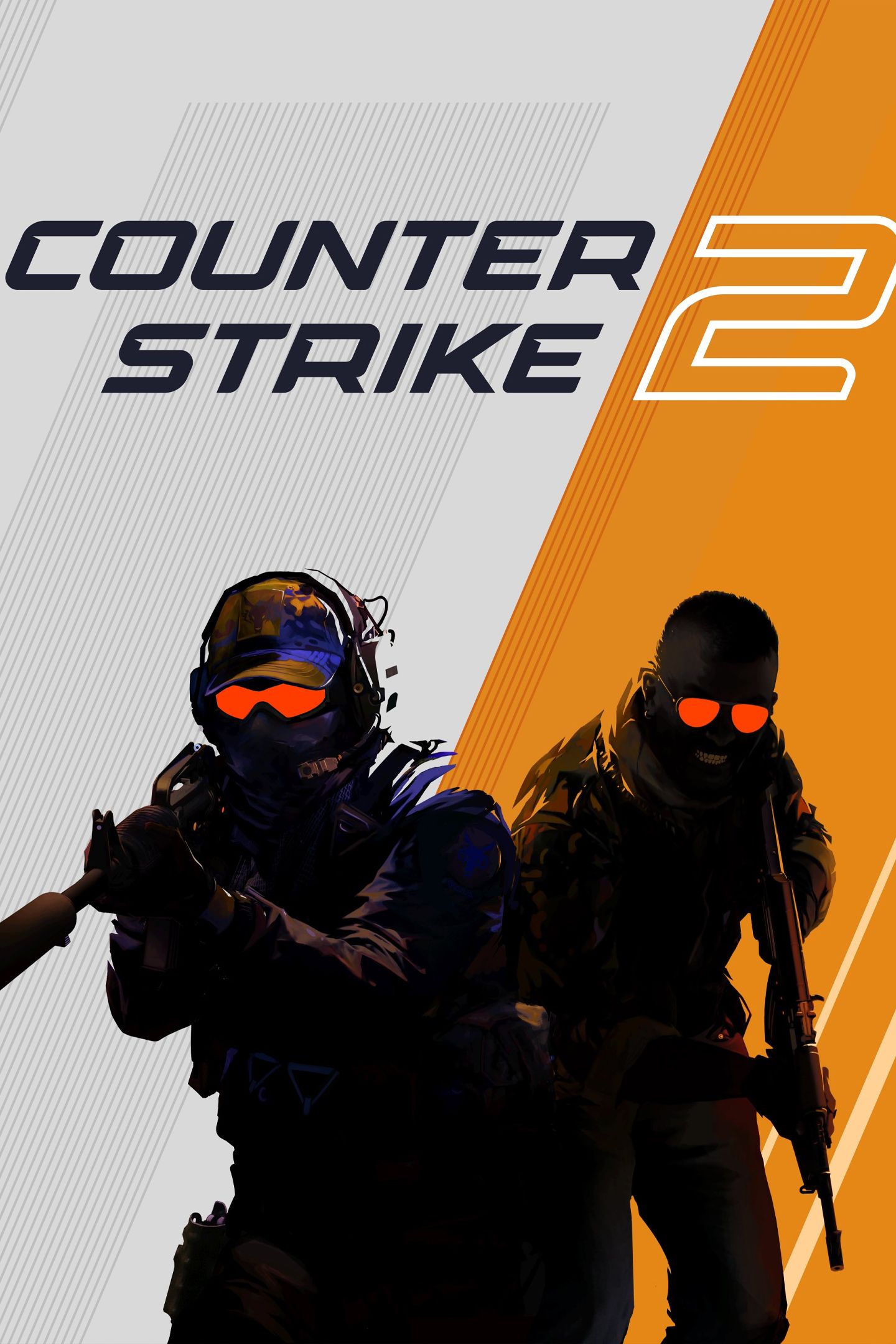
CS2 Esports: Navigating the New Competitive Landscape
The transition from Counter-Strike: Global Offensive to Counter-Strike 2 (CS2) has fundamentally reshaped the competitive gaming ecosystem. For technical readers and esports enthusiasts, the shift represents more than a graphical upgrade; it is a structural overhaul of the game’s physics, economy, and tactical depth. As the professional circuit stabilizes, understanding the nuances of this new engine is critical for both players and analysts. This article examines the current state of CS2 esports, focusing on the practical impacts of the new software architecture and the emerging trends in professional play.
The Technical Shift: From Source to Source 2
At the core of the CS2 experience is the migration to the Source 2 engine. This change introduces sub-tick server updates, which theoretically allow for more precise hit registration and reduced input latency. For competitive players, this means that the margin between a successful headshot and a miss is narrower than ever before. The engine’s new smoke grenades, which now interact dynamically with the environment, have also altered map control strategies. Teams can no longer rely on static smoke placements; instead, they must account for wind-like dispersion and player movement through the clouds.
Impact on Gameplay Mechanics
The introduction of the sub-tick system has been the most debated technical feature. While it promises fairness, it has also introduced a new layer of complexity for players adjusting their aim. The visual fidelity of the game has improved significantly, with dynamic lighting and more detailed textures. However, these visual enhancements come with a performance cost, requiring higher-end hardware to maintain stable frame rates during high-stakes matches. For esports organizers, this has led to stricter hardware requirements for tournament venues, ensuring that all teams compete on equivalent technical footing.
"The sub-tick system in CS2 is not just a technical update; it is a philosophical shift in how we perceive timing and precision in competitive shooting games."
Esports Circuit and Team Adaptation
Professional teams have had to rapidly adapt their strategies to the new mechanics. The dynamic nature of smoke grenades has led to a resurgence in utility-heavy playstyles. Teams that previously relied on aggressive rush tactics are now finding more success with coordinated utility usage to control key areas of the map. This shift has also impacted the role of the in-game leader (IGL), who must now manage not only the economy but also the complex timing of utility usage.
Emerging Trends in Professional Play
One notable trend is the increased emphasis on mid-round utility management. In CS:GO, players often saved utility for post-round or for specific clutch situations. In CS2, the dynamic nature of smokes and the importance of controlling information flow have made mid-round utility more critical. Teams that can effectively manage their utility budget while maintaining aggressive positioning are gaining a significant advantage. Additionally, the new engine’s handling of recoil and spray patterns has required players to relearn their muscle memory, leading to a period of adjustment that has affected even the most experienced professionals.
Practical Impacts for Players and Viewers
For casual players, the transition to CS2 offers a more visually immersive experience, but it also demands a higher level of technical proficiency. The game’s new mechanics require a deeper understanding of map control and utility usage, which can be a barrier to entry for new players. However, the improved netcode and sub-tick system provide a more fair and responsive experience, reducing the frustration associated with lag and hit registration issues.
For viewers, the increased visual fidelity and dynamic effects make the game more engaging to watch. The ability to see smoke grenades interact with the environment in real-time adds a new layer of visual interest to matches. Additionally, the faster pace of the game, driven by the new mechanics, has led to more exciting and unpredictable outcomes, keeping audiences engaged throughout the match.

What to Watch Next
As the CS2 esports circuit continues to evolve, several key developments are worth monitoring. First, the integration of new maps into the competitive pool will test teams’ adaptability and strategic depth. Second, the ongoing refinement of the sub-tick system will likely lead to further adjustments in gameplay mechanics, potentially impacting the balance of the game. Finally, the emergence of new talent and the retirement of veteran players will shape the future of the competitive scene, bringing fresh perspectives and strategies to the table.
In conclusion, the transition to CS2 represents a significant milestone in the history of competitive gaming. While the technical and strategic challenges are substantial, the opportunities for innovation and improvement are equally great. For technical readers, the CS2 ecosystem offers a fascinating case study in how game engine upgrades can reshape competitive dynamics. As the game continues to evolve, staying informed about the latest developments will be essential for both players and fans.