
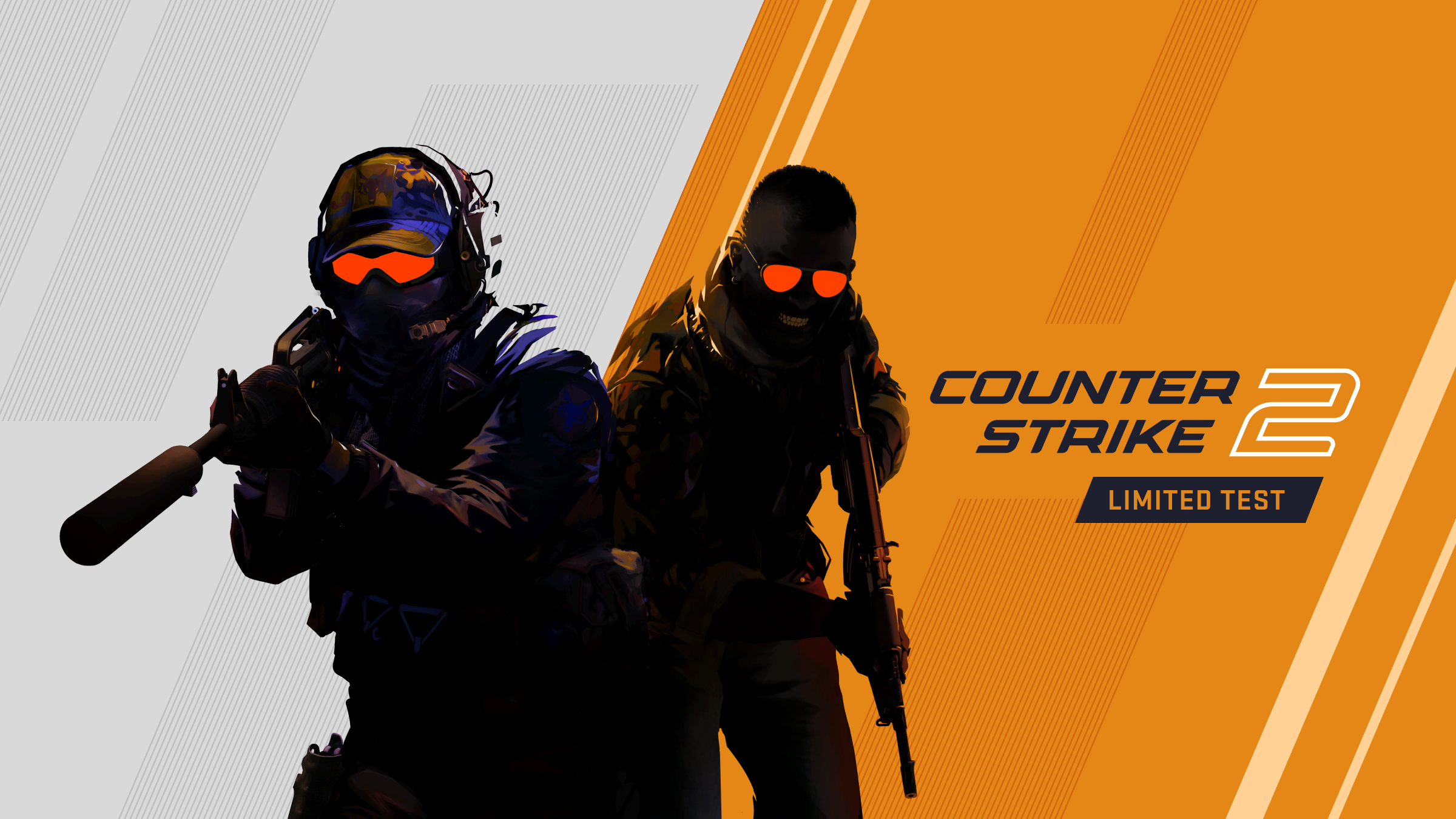
CS2 Esports Landscape: Analyzing the Current State of Competitive Counter-Strike
The transition from Counter-Strike: Global Offensive to Counter-Strike 2 (CS2) has fundamentally reshaped the competitive landscape of one of the world's most popular tactical shooters. As the esports ecosystem stabilizes around the new engine, teams, players, and organizations are adapting to significant mechanical and strategic shifts. For technical readers and dedicated fans, understanding these changes is crucial to appreciating the current depth of the competitive scene.
Technical Shifts and Gameplay Mechanics
The move to the Source 2 engine was not merely a graphical upgrade; it introduced core mechanical changes that have altered high-level play. The most notable update is the implementation of sub-tick server timing. This technology allows for more precise input registration, meaning that the exact moment a player fires or moves is recorded with higher fidelity than in the previous tick-based system. For professional players, this demands a refinement of muscle memory and timing, as the margin for error in clutch situations has effectively narrowed.
Additionally, the economy system in CS2 has been tweaked to favor aggressive play slightly more than its predecessor. The cost of certain weapons and the timing of buy phases have been adjusted, influencing how teams manage their resources throughout a match. These subtle economic shifts require coaches and analysts to re-evaluate traditional strategies, leading to a more dynamic and unpredictable flow of games.
Team Adaptation and Roster Stability
In the immediate aftermath of the CS2 launch, many top-tier teams experienced periods of roster instability as they sought players who could quickly adapt to the new mechanics. However, the scene has since seen a period of consolidation. Established rosters have largely remained intact, allowing teams to build cohesive strategies around the new engine's quirks. This stability is vital for the integrity of major tournaments, as it ensures that competition is based on strategic depth and execution rather than mere familiarity with new controls.
Organizations have also invested heavily in data analytics to gain an edge. By analyzing sub-tick data, teams can identify micro-improvements in player performance that were previously invisible. This data-driven approach is becoming a standard part of professional preparation, further raising the bar for competitive excellence.
The Major Tournament Circuit
The official Valve tournament circuit remains the backbone of CS2 esports. Majors, which are the highest-tier events, continue to draw massive global audiences. The prize pools for these events have remained substantial, ensuring that professional players can sustain their careers. The format of these tournaments, typically featuring a group stage followed by a single-elimination playoff, provides a clear path to the title while offering opportunities for up-and-coming teams to make a statement.
"The precision of sub-tick timing has changed how we approach every single round, demanding a level of consistency that was not required in the previous engine."
This sentiment is echoed by many players who have noted that the new engine rewards consistency and punishes hesitation more severely. The ability to execute complex utility lineups and precise aim under pressure is now more critical than ever. As a result, the gap between the top teams and the rest of the field has widened, making the upper echelons of the competitive scene more exclusive.
Practical Impact on the Community
For the broader community, the CS2 update has also influenced the amateur and semi-professional scenes. The free-to-play nature of CS2 has lowered the barrier to entry, attracting a new wave of players. This influx of talent provides a deeper pool from which professional organizations can recruit. Furthermore, the improved graphics and physics engine have enhanced the spectator experience, making it easier for viewers to follow the action and appreciate the skill involved in high-level play.
Content creators and streamers have also adapted to the new game, producing a wealth of educational content that helps players understand the nuances of the new mechanics. This ecosystem of content creation plays a vital role in sustaining interest in the game and fostering a knowledgeable fan base.
What to Watch Next
As the CS2 esports season progresses, several key developments will shape the narrative. First, the performance of new rosters will be closely monitored to see if they can break through the established hierarchy. Second, Valve may introduce further balance patches to address any remaining imbalances in the game. These updates could have a significant impact on team strategies and player roles.
Additionally, the integration of CS2 into other major gaming events, such as the Esports World Cup, will test the game's ability to attract a broader audience. The success of these events will be a key indicator of the game's long-term viability in the competitive scene.

Conclusion
The CS2 esports landscape is in a state of dynamic equilibrium. While the initial shock of the engine change has subsided, the ongoing adaptation to sub-tick timing and economic shifts continues to drive innovation in team strategies. For technical readers, the current state of CS2 offers a fascinating case study in how game engine updates can reshape competitive dynamics. As the season moves forward, the focus will remain on consistency, data-driven preparation, and the ability to execute under pressure. The next few months will be critical in determining which teams can maintain their dominance and which will rise to challenge the status quo.