
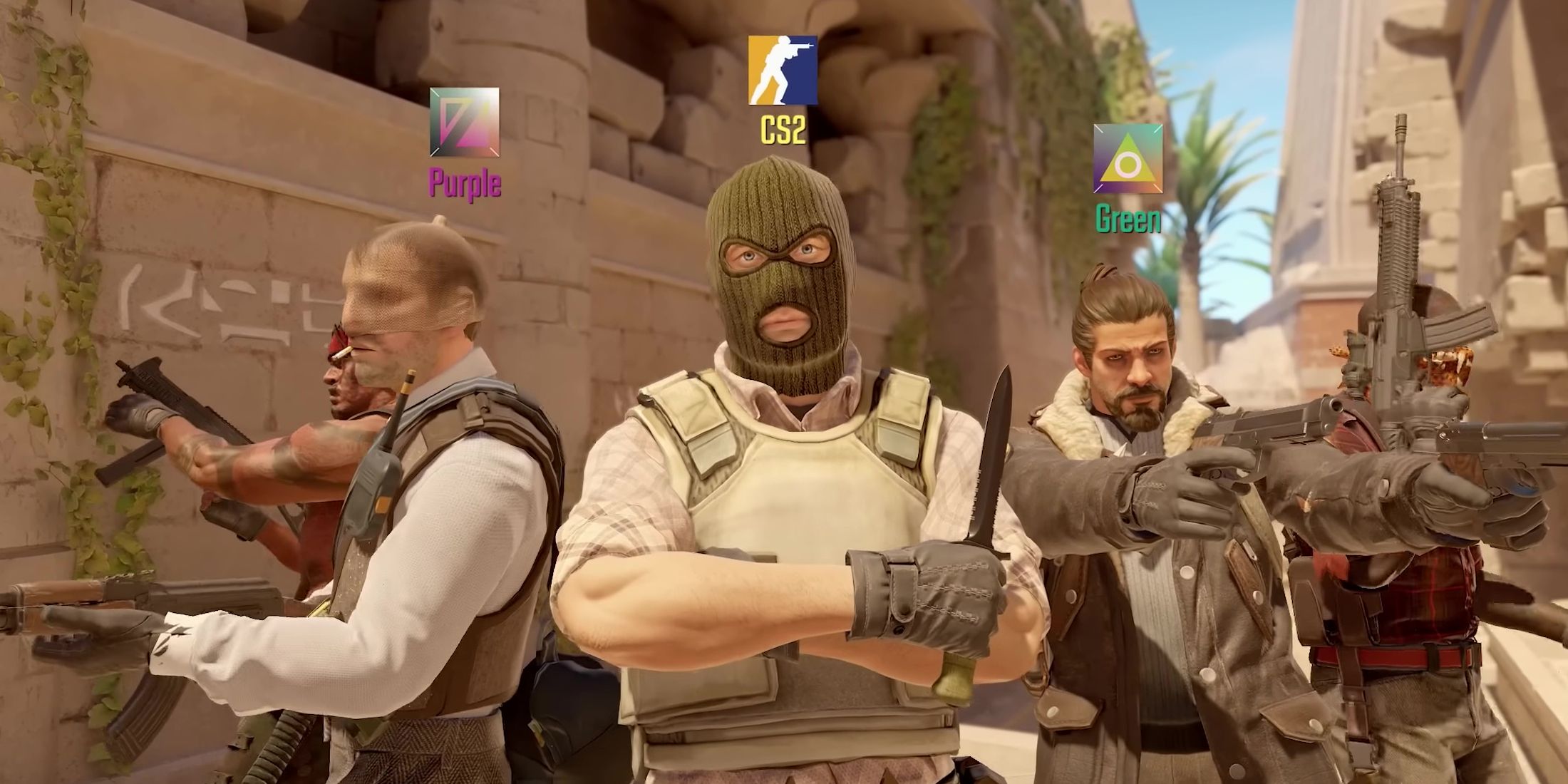
Counter-Strike 2 Evolution: A Comprehensive Guide to Major Updates
Valve’s transition from Counter-Strike: Global Offensive to Counter-Strike 2 (CS2) marked one of the most significant shifts in the history of competitive first-person shooters. For millions of players and esports professionals alike, this was not merely a cosmetic refresh but a fundamental re-engineering of the game’s core mechanics. Understanding the trajectory of these updates is essential for anyone looking to master the current meta or analyze the competitive landscape. This article breaks down the key phases of CS2’s development, explaining how each major update reshaped the gameplay experience and what it means for the future of the title.
The Foundation: Source 2 and Visual Overhaul
The initial release of CS2 was defined by its migration to the Source 2 engine. This technical leap brought immediate, tangible changes to the visual fidelity of the game. The most noticeable update was the implementation of dynamic lighting and improved particle effects. Maps that previously relied on static lighting now featured real-time shadows and light interactions, altering the way players perceive cover and visibility.
Beyond aesthetics, the Source 2 engine introduced smoother netcode and reduced input latency, which is critical for a game where milliseconds determine the outcome of a duel. For esports teams, this meant a more consistent competitive environment, reducing the variance caused by server-side issues that plagued the previous engine. The visual clarity also helped spectators follow the action more easily, enhancing the broadcast experience for global audiences.
Gameplay Mechanics: Smoke and Recoil Changes
Perhaps the most controversial and impactful update in CS2’s early life was the introduction of dynamic smoke grenades. Unlike the static, solid walls of smoke in CS:GO, the new smokes in CS2 are affected by wind and can be blown away by the recoil of nearby gunfire. This change fundamentally altered utility usage and map control.
Players had to adapt their strategies quickly. A well-placed smoke could no longer be guaranteed to stay in place if a teammate fired nearby. This introduced a new layer of coordination and timing to team play. Additionally, the recoil patterns of weapons were adjusted to feel more fluid and less predictable, encouraging players to develop new spray control techniques. These changes forced a reset in muscle memory for many professional players, leading to a period of intense adaptation in the competitive scene.
Competitive Implications and Esports Adaptation
The esports community reacted swiftly to these shifts. Teams that adapted their utility usage and recoil control strategies early on gained a significant advantage. The dynamic nature of smokes required more communication and precise timing, favoring teams with strong coordination. This shift also influenced the design of new maps, with developers ensuring that choke points and utility angles accounted for the new smoke behavior.
"The dynamic smoke system has fundamentally changed how we approach map control, requiring a new level of precision and team coordination."
This quote from a professional player highlights the depth of the strategic shift. It is not just about throwing a smoke; it is about understanding the environment and the actions of teammates. The competitive meta evolved to include more complex utility combinations, where the timing of a smoke throw relative to a teammate’s shot became a critical factor in winning rounds.
Recent Updates: Balancing and Quality of Life
In the months following the initial launch, Valve focused on balancing and quality-of-life improvements. These updates addressed player feedback and fine-tuned the gameplay experience. Weapon damage values were adjusted to ensure fairness across different playstyles, and the matchmaking system was refined to provide more consistent skill-based matches.
Additionally, Valve introduced new features to enhance the player experience, such as improved spectator tools and updated anti-cheat measures. These updates were crucial in maintaining the integrity of the competitive scene and ensuring that the game remained fair and enjoyable for all players. The continuous stream of updates demonstrated Valve’s commitment to supporting CS2 as a long-term competitive title.
What to Watch Next
As CS2 continues to evolve, players and fans should keep an eye on several key areas. First, the introduction of new maps is always a major event, as each new map brings fresh strategic possibilities and challenges. Second, further refinements to the dynamic smoke system and other mechanics may continue to shape the meta. Finally, the growth of the esports ecosystem, including new tournaments and leagues, will determine the long-term success of CS2 as a competitive platform.
For readers, staying informed about these updates is essential for both casual and competitive play. Understanding the history and rationale behind each change helps players adapt more effectively and appreciate the depth of the game. As Valve continues to support CS2, the game is poised to remain a cornerstone of the esports world for years to come.

Conclusion
The journey of Counter-Strike 2 from its initial release to its current state is a testament to Valve’s dedication to innovation and player feedback. The major updates, from the Source 2 migration to the dynamic smoke system, have transformed the game into a more dynamic and strategic experience. For players, this means a constant need to adapt and learn, while for esports, it ensures a fresh and exciting competitive landscape. As the game continues to evolve, the focus will remain on balancing, new content, and enhancing the overall player experience.