
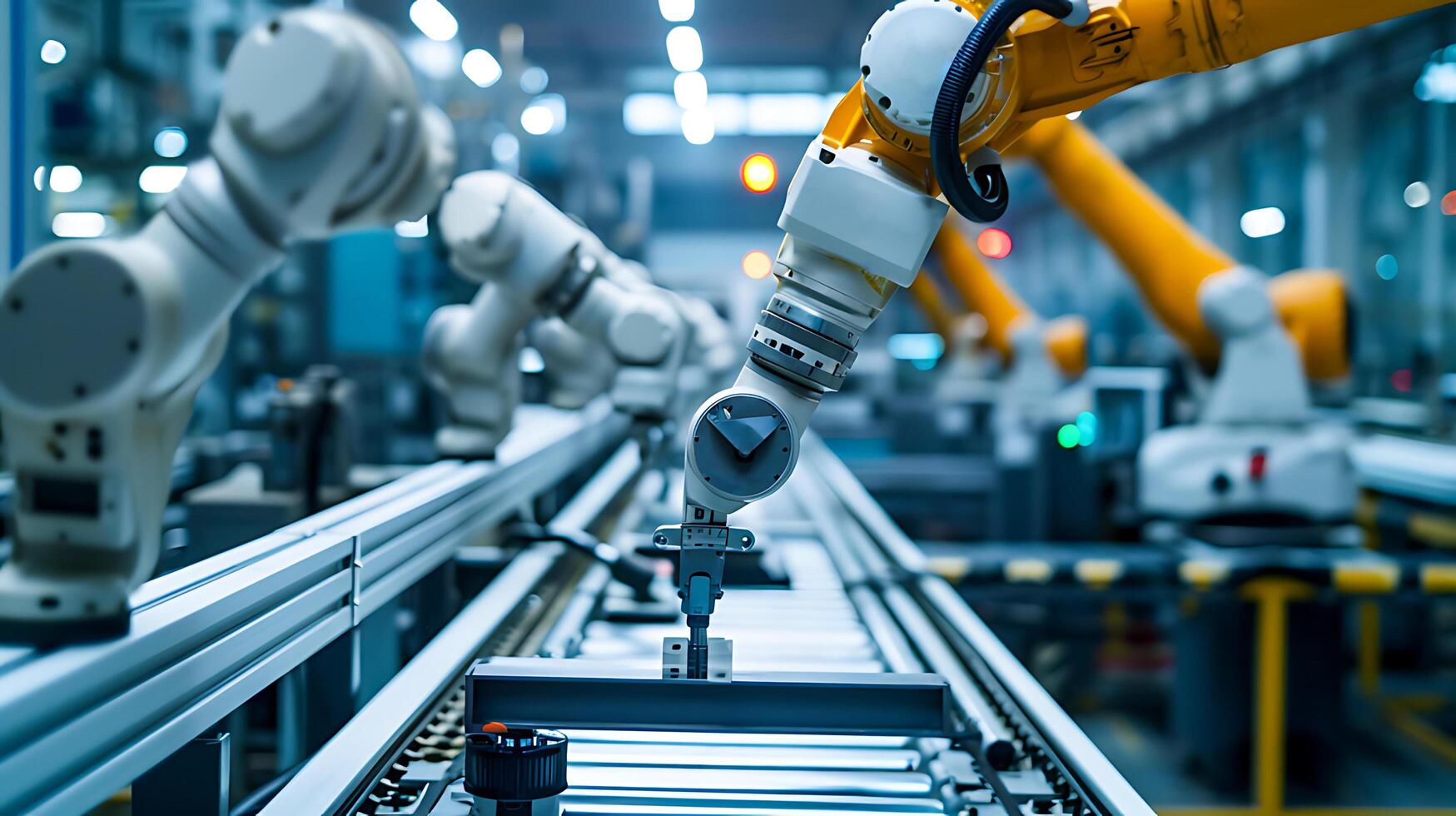
Automation in the AI Era: Defining the Future of Technical Workflows
As artificial intelligence transitions from a novelty to a core infrastructure component, the definition of automation is undergoing a significant shift. For technical readers, understanding this evolution is critical. Automation is no longer just about executing pre-defined scripts; it is about creating intelligent systems that can adapt, learn, and make decisions with minimal human intervention. This article explores the modern landscape of automation, focusing on how AI tools are reshaping the way we build, deploy, and maintain software systems.
The Evolution of Automation: From Scripts to Intelligence
Traditionally, automation referred to the use of technology to perform tasks with reduced human assistance. In the early days of software engineering, this meant writing batch files or using simple cron jobs to handle repetitive tasks like data backups or log rotation. However, the integration of machine learning and large language models (LLMs) has expanded this scope dramatically. Today, automation involves systems that can interpret unstructured data, predict outcomes, and execute complex workflows that were previously impossible to codify manually.
The distinction between traditional automation and AI-driven automation is crucial. Traditional automation follows a rigid set of rules: if condition A is met, do action B. AI-driven automation, on the other hand, operates on probability and pattern recognition. It can handle edge cases, natural language inputs, and dynamic environments. This shift allows developers to focus on high-level strategy while the system handles the granular execution details.
Key Types of Automation in Modern Tech Stacks
Process Automation and RPA
Robotic Process Automation (RPA) remains a cornerstone of enterprise efficiency. It mimics human actions on digital interfaces, such as clicking buttons, copying data, and filling out forms. When combined with AI, RPA tools can now understand the context of the data they are processing, leading to more robust and error-resistant workflows. This is particularly useful in sectors like finance and healthcare, where compliance and accuracy are paramount.
AI-Driven DevOps and MLOps
In the realm of software development, automation is becoming increasingly intelligent. AI tools are now capable of analyzing code repositories to suggest optimizations, detect security vulnerabilities, and even generate unit tests. In MLOps, automation pipelines ensure that machine learning models are retrained, validated, and deployed seamlessly. This reduces the time from model development to production, allowing teams to iterate faster and more efficiently.
Generative AI for Content and Code
Perhaps the most visible form of modern automation is generative AI. These tools automate the creation of content, from marketing copy to complex code snippets. For developers, this means that boilerplate code, documentation, and even architectural diagrams can be generated in seconds. This does not replace the need for human oversight, but it significantly accelerates the development lifecycle by removing the burden of repetitive coding tasks.
Automation is no longer just about doing things faster; it is about doing things smarter by leveraging the predictive power of artificial intelligence to handle complexity.
Practical Impact on Technical Teams
The practical impact of these advancements is profound. Teams that adopt AI-enhanced automation report significant reductions in operational overhead. By automating routine monitoring and incident response, IT teams can focus on strategic initiatives rather than firefighting. Furthermore, the ability to automate data analysis allows businesses to make data-driven decisions in real-time, gaining a competitive edge in fast-moving markets.
However, the adoption of these tools requires a shift in mindset. Technical leaders must ensure that their teams are trained to work alongside AI assistants. This involves understanding the limitations of AI, such as its potential for hallucinations or bias, and implementing robust validation processes. The goal is not to replace human judgment but to augment it, creating a hybrid model of intelligence that is both efficient and reliable.
What to Watch Next
Looking ahead, the future of automation lies in agentic AI. These are systems that can autonomously plan and execute multi-step tasks to achieve a specific goal. Unlike current tools that require explicit instructions for each step, agentic systems can break down complex objectives into smaller tasks and execute them independently. This represents the next frontier in automation, promising a level of autonomy that will further redefine the role of the technical professional.
Additionally, we can expect to see tighter integration of automation tools with cloud-native architectures. As edge computing becomes more prevalent, automation will move closer to the data source, enabling faster decision-making and reduced latency. This will be particularly impactful in industries like autonomous vehicles and real-time financial trading, where milliseconds matter.

Conclusion
Automation is a fundamental pillar of modern technology, and its evolution through AI is reshaping the technical landscape. By understanding the different types of automation and their practical applications, technical readers can better position themselves to leverage these tools. The key to success in this new era is not just adopting the latest tools, but integrating them into a cohesive strategy that enhances human capabilities. As we move forward, the line between human and machine intelligence will continue to blur, making automation an indispensable part of the technical toolkit.