
🔊 Listen to this article

Intel Shares Tumble Amid Release of Additional Cutting-Edge Microprocessors.
🛠️ Why is this happening
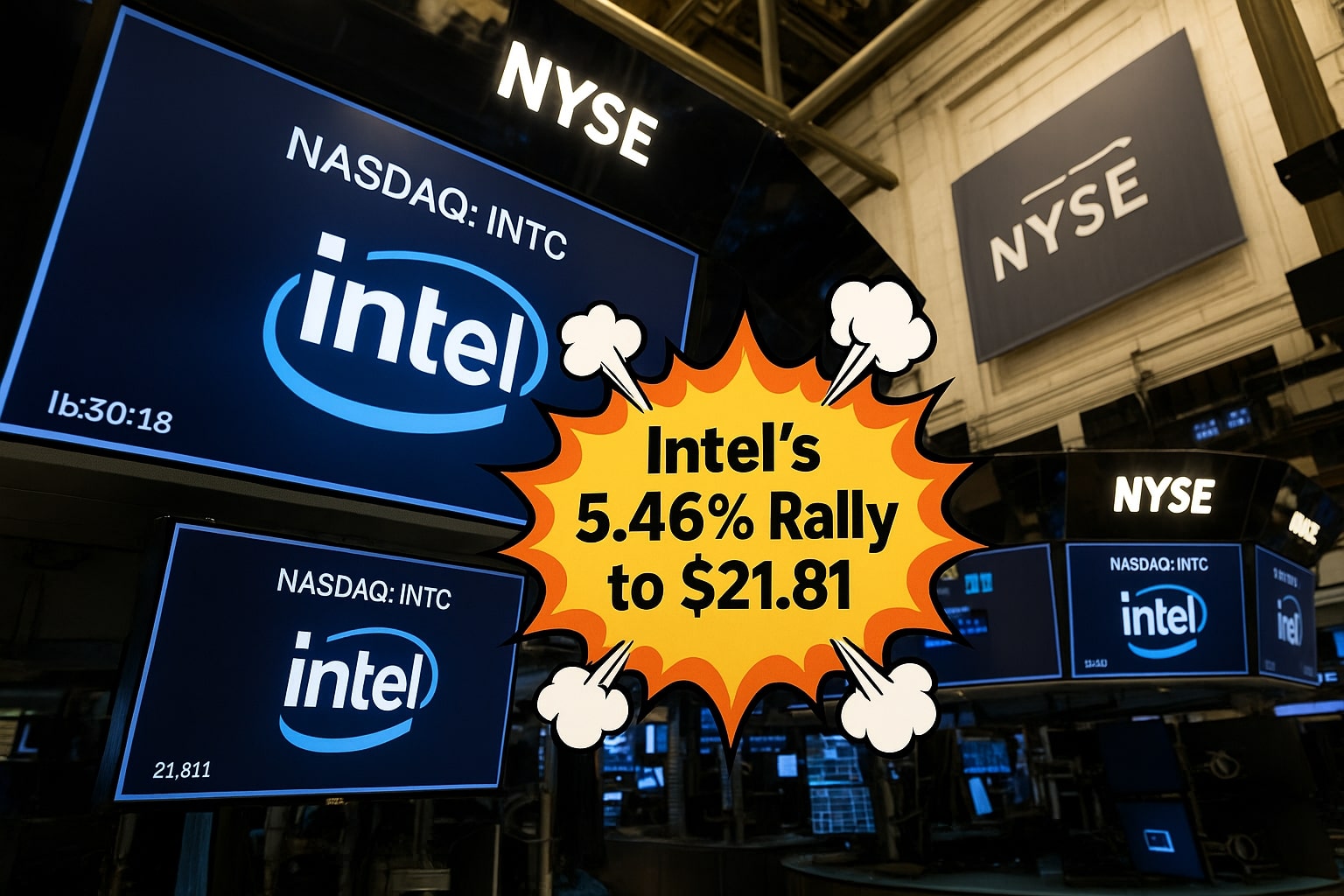
Intel's stock price has been steadily declining in the wake of the company's launch of their brand-new processor models. One might initially think that introducing fresh products would send stock prices soaring, but the reality is more complex. On closer inspection, things aren't quite as simple as they seem. Although engineered with the most up-to-date technological advancements, the introduction of the new processors has not sparked the widespread optimism that investors had been counting on. Several key factors contribute to this sense of apathy, including the rising tide of competition in the market, elevated production costs, and a noticeable shift in consumer purchasing habits towards more complex and efficient processor technologies. Seriously, As a direct consequence of the influx of innovative processors onto the market, Intel is currently facing a temporary shortfall in demand for its established product lines. Consequently, a sense of trepidation has taken hold of investors, causing Intel's stock value to plummet. To effectively resolve this, it's vital to identify the underlying factors and take decisive action to rectify them. I mean, This instructional guide is designed to walk you through the steps required to recover from the Intel stock price drop, offering expert advice on how to prevent similar market fluctuations from occurring in the future.
✅ Step-by-Step Fix
In order to rectify the decline in Intel's stock price, it's essential to take the following actions.
- Assess the entire range of products that Intel has to offer and highlight the areas that need refinement or innovation. Let's be real, This includes assessing the company's research and development strategy, production costs, and marketing approach
- Analyze the competitive scene and identify opportunities for Intel to differentiate itself from its competitors Let's be real, This may involve investing in emerging technologies, such as artificial intelligence or the Internet of Things (IoT)
- Develop a full marketing strategy to promote Intel's new processors and highlight their unique features and benefits This may include social media campaigns, influencer partnerships, and targeted advertising
- Engage with investors and provide transparent updates on the company's progress, including its financial performance, product development, and strategic initiatives This can help to rebuild trust and confidence in the company
- Consider diversifying Intel's product portfolio to reduce dependence on a single market or technology This may involve exploring new industries, such as autonomous vehicles or healthcare, and developing specialized processors for these applications
💡 Pro Tips to avoid this
To avoid similar situations in the future, consider the following pro tips:
- Stay ahead of the competition by continuously monitoring market trends and investing in emerging technologies
- Develop a robust product development strategy that takes into account changing consumer demand and market conditions
- Establish a strong brand identity and communicate effectively with investors, customers, and partners
- Regularly review and adjust your marketing strategy to ensure it remains effective and aligned with your business goals
- Consider seeking external advice from industry experts or consultants to provide fresh perspectives and insights
🎯 Final Thoughts
The Intel stock plunge serves as a reminder of the complexities and challenges of the technology industry To succeed, companies must be agile, innovative, and responsive to changing market conditions I mean, By understanding the underlying causes of the stock plunge and taking proactive steps to address them, Intel can recover its market value and maintain its position as a leader in the industry As investors, it's essential to stay informed, adapt to changing circumstances, and make informed decisions to minimize risks and maximize returns With the right strategy and mindset, it's possible to navigate even the most challenging market conditions and achieve long-term success