
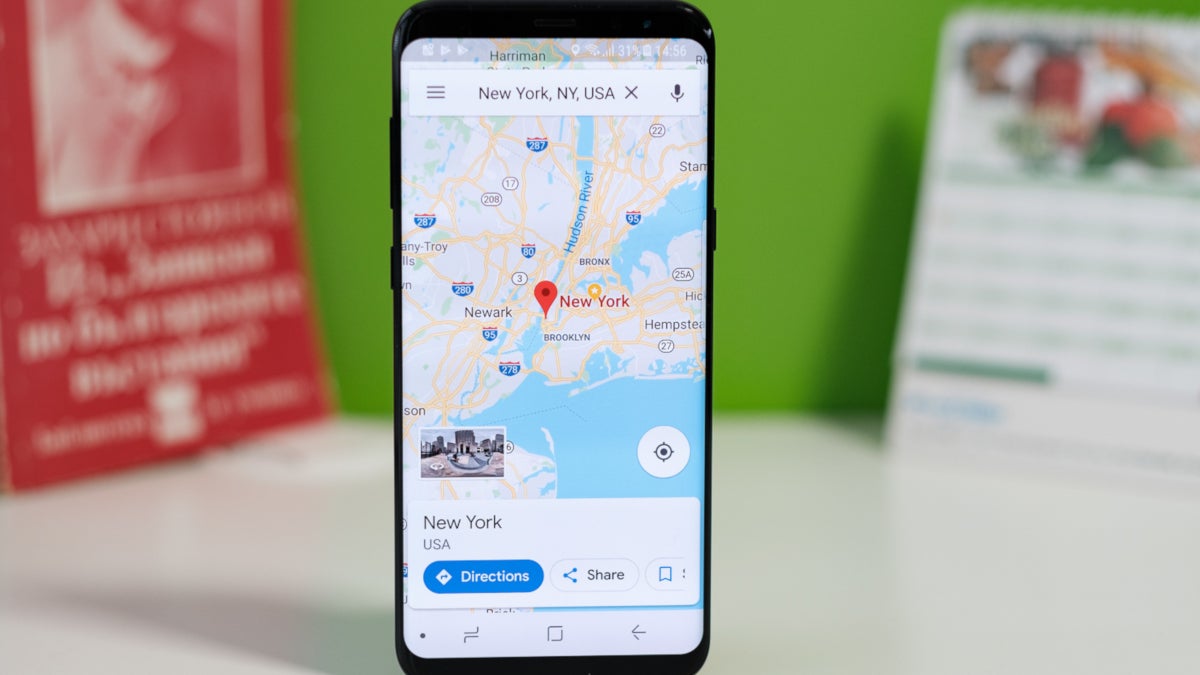
Overcoming Google Maps Hiccups: A Guide to Resolving Post-Update Issues
After much anticipation, Google has released a revamped version of Google Maps, boasting a stunning 3D layout and the incorporation of advanced AI technology. Let's be real, This recent update, though packed with innovative features, could potentially lead to problems for the end-users. With this tutorial, we're going to walk you through the troubleshooting process to identify and fix any problems you may be experiencing with Google Maps after the recent upgrade.
🛠️ Why is this happening
A major revamp of the Google Maps platform has been implemented, resulting in a dramatic revamp of both its look and its underlying mechanics. With the introduction of our revamped 3D visuals and AI-driven enhancements, we're committed to delivering a more immersive and user-centric experience that's uniquely suited to each individual. Now, I'm not sure about this, but it could end up causing some issues, such as slow website performance, wrong turn-by-turn directions, and problems with location services. If you heavily depend on Google Maps for getting from one place to another, you might find its shortcomings to be quite exasperating.
There are numerous possible explanations for these issues, but they frequently boil down to the app's incompatibility with your device or a poor-quality internet connection affecting its performance. Fortunately, addressing these issues is often a straightforward process that requires minimal effort.

✅ Step-by-Step Fix
- Ensure Google Maps is running on the most current available software iteration. Frankly, keeping your app up-to-date might be a no-brainer, but it's a simple solution to many common problems. To update Google Maps, go to the App Store (for iOS devices) or Google Play Store (for Android devices), search for Google Maps, and click the "Update" button
- Step 2: Check your internet connection A stable internet connection is essential for Google Maps to function correctly Try restarting your router or switching to a different network to see if this resolves the issue
- Step 3: Clear the app's cache and data Sometimes, clearing the app's cache and data can resolve issues related to slow loading times or incorrect directions Here's the thing, To do this, go to your device's settings, select "Apps" or "Application Manager," find Google Maps, and click "Clear Cache" and "Clear Data "
- Step 4: Disable and re-enable location services Location services are essential for Google Maps to function correctly Try disabling and re-enabling location services to see if this resolves the issue To do this, go to your device's settings, select "Location" or "Location Services," and toggle the switch to disable and then re-enable it
- Regularly update your operating system and apps to ensure you have the latest features and bug fixes
- Use a stable and high-quality internet connection to prevent issues with Google Maps
- Be cautious when granting permissions to apps, as this can affect their functionality and your device's security
- Consider using a VPN to protect your data and maintain a stable connection
bottom line, the Google Maps upgrade with 3D redesign and AI feature is an exciting development that offers many benefits for users However, it may also cause some issues, such as slow loading times or incorrect directions By following the steps outlined in this tutorial, you can fix most of these problems and enjoy the new features of Google Maps Remember to regularly update your apps and operating system, use a stable internet connection, and be cautious when granting permissions to apps Honestly, With these tips, you can ensure a smooth and enjoyable experience with Google Maps
If you have any further questions or issues, feel free to ask We are always here to help Happy navigating