
🔊 Listen to this article

Understanding and addressing the disparity in A19 chip technology between the two versions of Apple's Studio Display, designed to provide a more refined user experience.
🛠️ Why is this happening
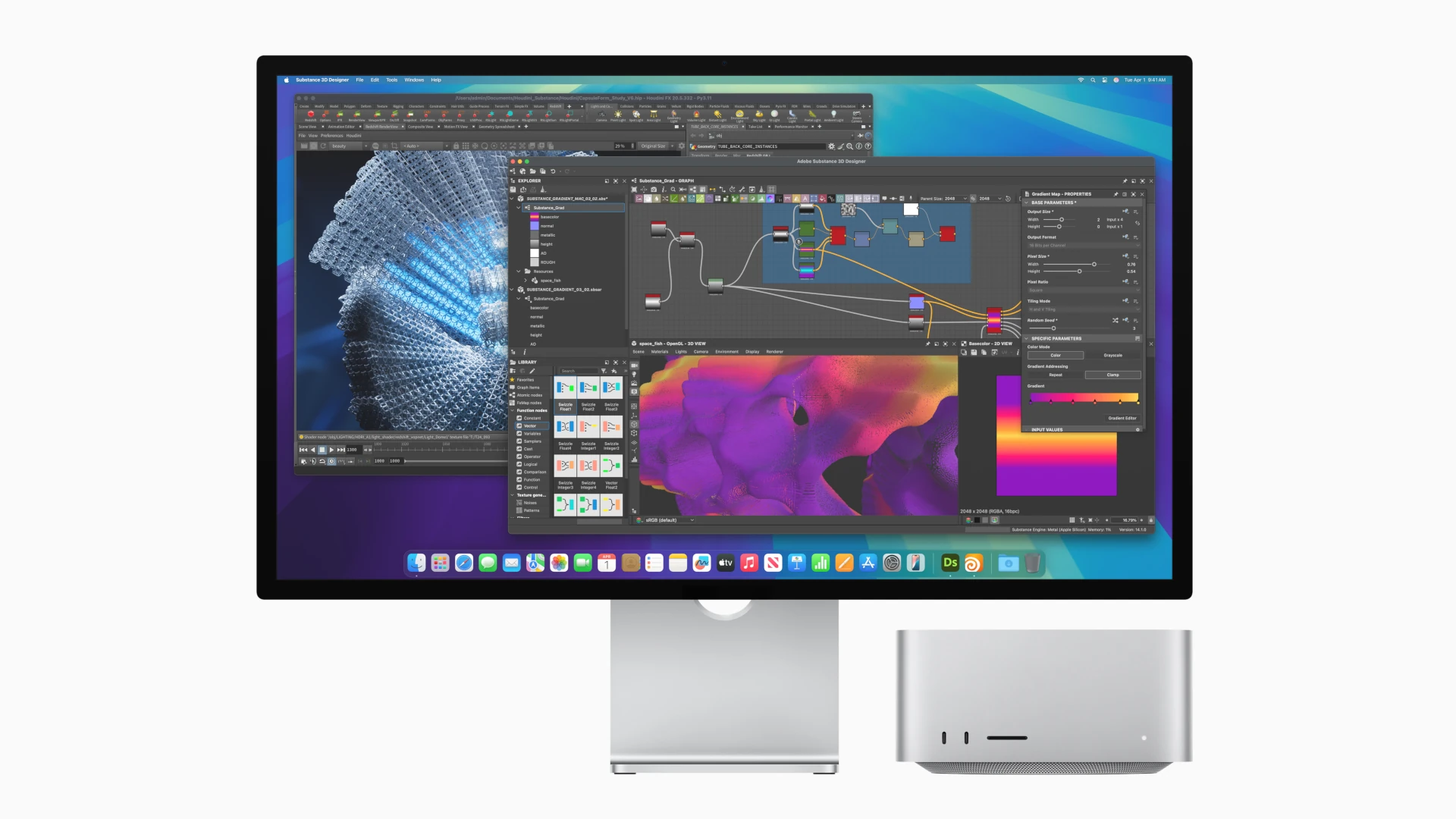
The most recent Studio Displays from Apple incorporate distinct A19 processors, which could lead to misunderstandings and technical difficulties for customers. The gap between expected and actual outcomes can result in disparate performance levels, software issues, and user interface inconsistencies. Figuring out what's causing this problem at its core is fundamental to finding a solution that really works. The A19 chip is an essential part of the Apple Studio Display, capable of performing a range of duties such as image processing, audio output, and linking the display to other devices. Depending on the specific model of the new Studio Display, it's possible that each variant utilizes a unique A19 chip configuration, complete with its own optimized clock rates, instruction set architecture, and other performance-critical components, which in turn influences its overall performance, power efficiency, and feature set.
✅ Step-by-Step Fix
In order to resolve the problem of various A19 chip configurations in the latest Apple Studio Displays, please adhere to the following guidelines.
- Verify the specifications of your Studio Display to identify the A19 chip it contains. To accomplish this, simply go to the Apple menu, opt for "About This Mac," and then select "System Report." Navigate to the "Display" subsection, where you'll find the A19 chip model detailed.
- In order to stay current, it's key to download and install the latest software update for your Studio Display. Double-check that your Mac is running the latest version of macOS and that your Studio Display is properly connected to the internet. Seriously, Go to System Preferences, click "Software Update," and install any available updates
- Reset your Studio Display to its default settings This can be done by pressing the "Reset" button on the back of the display or by using the Apple Display menu bar app Resetting the display will restore its original settings and may help resolve any compatibility issues
- Check for firmware updates for your A19 chip Apple may release firmware updates to improve the performance and compatibility of the A19 chip You can check for firmware updates in the System Report section of the About This Mac window
- Contact Apple Support if you continue to experience issues with your Studio Display Believe it or not, Apple's support team can provide further assistance, repair, or replace your display if necessary
💡 Pro Tips to avoid this
To minimize the risk of experiencing issues with different A19 chips in Apple's new Studio Display models:
- Always purchase Apple products from authorized resellers or directly from Apple to ensure you receive a genuine product with the correct specifications
- Regularly update your Studio Display's software and firmware to ensure you have the latest features, security patches, and performance enhancements
- Monitor Apple's support website and forums for any known issues or discussions related to the A19 chip and Studio Display models
- Consider waiting for a few months after the release of new Apple products to allow for any initial bugs or issues to be resolved
🎯 Final Thoughts
bottom line, the issue of different A19 chips in Apple's new Studio Display models can be addressed by following the step-by-step fix outlined above By understanding the cause of the problem, checking your display's specifications, updating software and firmware, and resetting the display, you can resolve any compatibility issues and ensure optimal performance Additionally, by following the pro tips provided, you can minimize the risk of experiencing issues with your Studio Display and enjoy a smooth user experience Remember to always stay informed about the latest developments and updates from Apple to ensure you get the most out of your Apple devices