

Cracking the Code: A Straightforward, User-Friendly Guide to Passkey Resolution
The emergence of passkeys was met with widespread enthusiasm, as it held the promise of supplanting antiquated passwords with a more trustworthy and user-friendly alternative. Let's be real, the fact that their adoption has been held back by a consistently anticipated yet infuriating issue is no surprise. In this step-by-step guide, we'll examine the underlying issue responsible for this problem and present a simple, effective solution.
🛠️ Why is this happening
One major factor hindering the adoption of passkeys is the technical incompatibility that exists between this secure authentication method and many of the existing websites and online services. To be blunt, many online services haven't built the necessary infrastructure to support passkey authentication, resulting in frustration for those who have already begun using this method. Look, Unfortunately, the lack of uniformity in device and browser technology has led to complications with passkeys, making them less effective when used on multiple platforms.
Limited availability of passkey functionality in select services and programs can make for a less consistent and potentially frustrating experience for the end-user. Honestly, Wait Consequently, many users are left with no choice but to revert to the outdated method of password-based login, undermining the benefits of transitioning to passkeys.
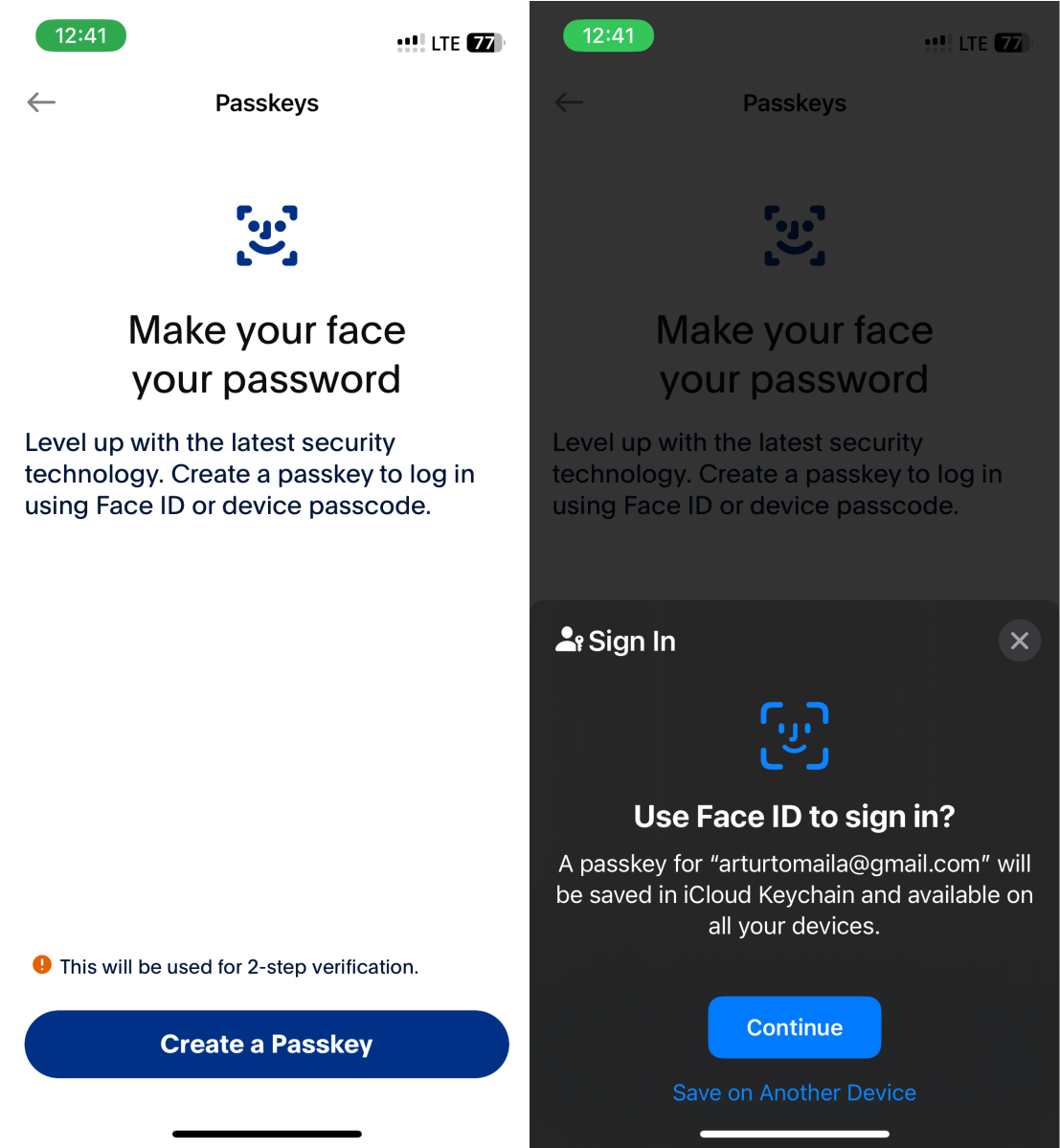
✅ Step-by-Step Fix
- Confirm that the website or service you're trying to access utilizes passkey authentication as an available login method. See if the website or app provides an option to bypass the password and log in using a passkey instead.
- Ensure a smooth experience by confirming that your device and browser support the use of passkeys. Here's the thing, Here's the thing, Update your operating system, browser, and any relevant software to the latest version
- If you're using a password manager, check if it supports passkey authentication and follow the manufacturer's instructions to enable this feature
- Reset your passkey if you're experiencing issues This will involve deleting the existing passkey and creating a new one, which can help resolve any compatibility problems
- Provide feedback to the website or service provider if you encounter any issues with passkey authentication Honestly, This can help them prioritize the implementation of passkey support and improve the overall user experience
- Always check the website's or service's documentation to see if they support passkey authentication before attempting to use it
- Use a password manager that supports passkeys to streamline the authentication process and reduce the risk of compatibility issues
- Keep your device and browser up to date to ensure you have the latest security patches and features, including passkey support
- Be patient and persistent when encountering issues with passkey authentication Report problems to the relevant support teams and provide feedback to help improve the overall experience
bottom line, while passkeys are an exciting development in the world of authentication, their adoption is being hindered by predictable compatibility issues By following the steps outlined in this tutorial, you can troubleshoot and fix common problems with passkey authentication Remember to stay patient, provide feedback, and keep your devices and software up to date to ensure a smooth passkey experience
As the technology continues to evolve, we can expect to see improved support and standardization across different platforms Until then, it's essential to be aware of the potential pitfalls and take proactive steps to overcome them Believe it or not, With time and effort, passkeys can fulfill their promise of replacing traditional passwords and providing a more secure, convenient, and user-friendly authentication experience