
🔊 Listen to this article
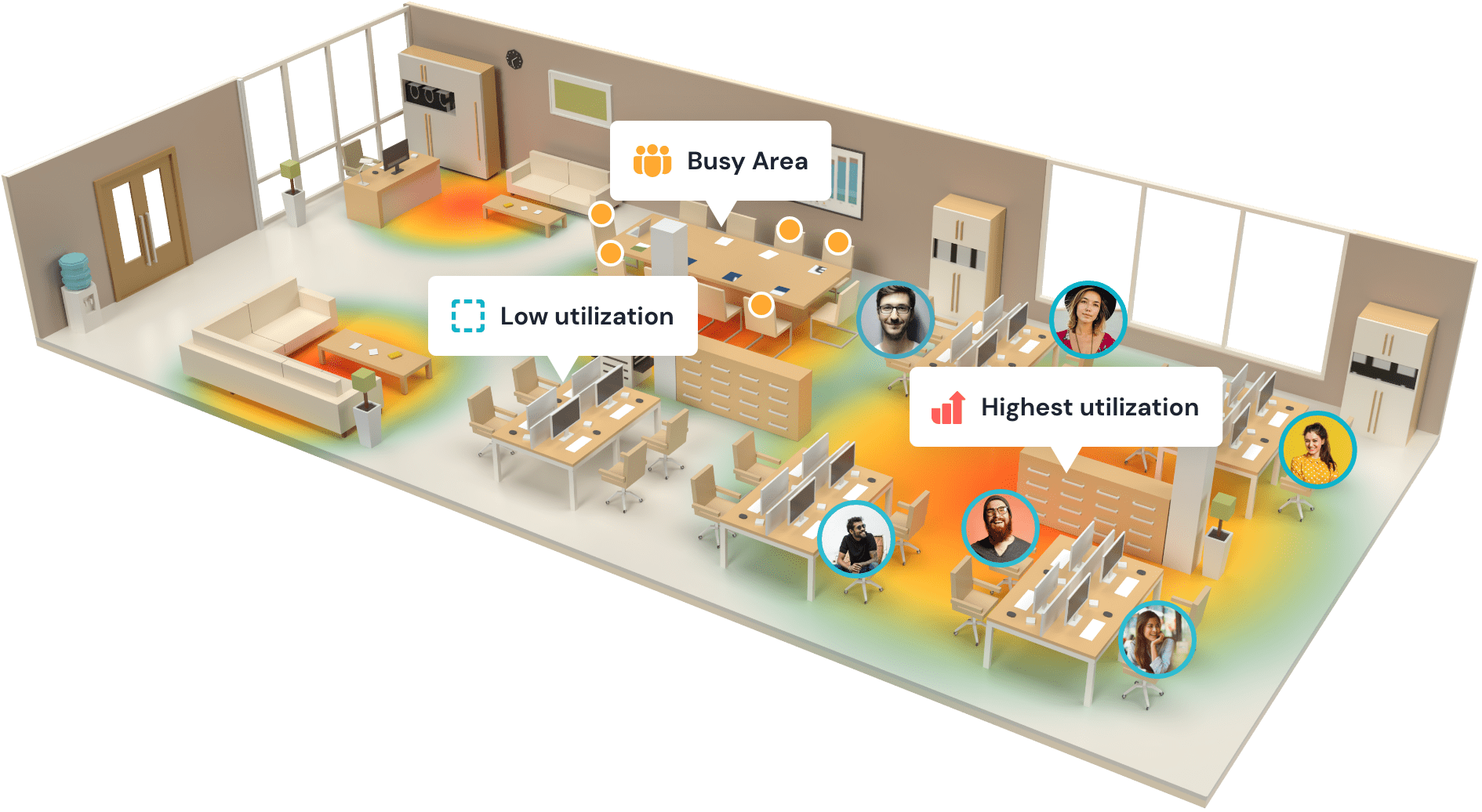
Utilizing the ESP32 and VL53L5CX sensor in conjunction with an Inertial Measurement Unit (IMU) to create a real-time 3D model of a room for issue detection and resolution.
🛠️ Why is this happening
During the development of a real-time 3D room mapping project utilizing an ESP32 board, a VL53L5CX distance sensor, and an Inertial Measurement Unit (IMU), developers may encounter a range of obstacles that could impede project momentum. Honestly, A range of potential issues exist, including miscalibrated sensors and imprecise distance measurements, which can cause the 3D model to be inaccurately generated. The secret to developing reliable remedies lies in uncovering the fundamental sources of these problems. Frankly, some of the most frequent issues we come across are sensor interference, miswired connections, and suboptimal programming protocols. Integrating disparate parts like the ESP32 microcontroller, the VL53L5CX time-of-flight sensor, and the IMU creates a multitude of complications. The fact is, every one of these elements demands a careful setup and adjustment to integrate flawlessly. In addition, the sensor's superior precision and the inertia measurement unit's capability to monitor movement in three-dimensional space can be compromised by external influences and the integrity of the electrical connections.

✅ Step-by-Step Fix
The next steps to successfully navigate these challenges involve meticulously following a step-by-step guide to detect and rectify problems with your real-time, three-dimensional space modeling project.
- Perform a visual and tactile examination of the connections between the ESP32 board, the VL53L5CX sensor, and the IMU to guarantee that they are firmly attached and free from any signs of damage or wear. I mean, Verify that each part's specifications sheet aligns with the prescribed circuit design.
- To guarantee accurate distance detection, set up the VL53L5CX sensor in line with the manufacturer's recommended best practices. Seriously, This may involve adjusting settings in your code or using a specific calibration routine provided by the sensor's library
- Implement data filtering and smoothing algorithms in your code to reduce the impact of noise and outliers from the sensor readings This can significantly improve the accuracy and reliability of your 3D mapping data
- use the IMU's data to compensate for the movement of the device, ensuring that the 3D mapping is accurate even when the device is in motion This may involve integrating the IMU's readings into your mapping algorithm to adjust for pitch, roll, and yaw
- Test your project in a controlled environment to isolate and troubleshoot any issues that arise Start with a simple setup and gradually add complexity to identify where problems occur
💡 Pro Tips to avoid this
To prevent common pitfalls and ensure the success of your real-time 3D room mapping project, consider the following pro tips:
- Always refer to the most recent datasheets and documentation for the ESP32, VL53L5CX sensor, and IMU to ensure you are using the latest libraries and configuration guidelines
- Use a breadboard or a PCB specifically designed for your project to minimize wiring issues and reduce electromagnetic interference
- Implement a robust debugging system in your code, including serial output or an LCD display, to monitor sensor readings and system status in real-time
- Consider using existing libraries or frameworks that support the VL53L5CX and IMU, as these can simplify the integration process and reduce the likelihood of errors
- Plan for future expansions or modifications by keeping your code modular and well-documented, making it easier to add new features or replace components as needed
🎯 Final Thoughts
Successfully troubleshooting and fixing issues with your real-time 3D room mapping project using an ESP32, VL53L5CX sensor, and IMU requires patience, attention to detail, and a thorough understanding of the components involved Here's the thing, By following the step-by-step guide and pro tips outlined above, you can overcome common challenges and achieve accurate, reliable 3D mapping Remember, the key to a successful project lies in careful planning, precise execution, and a willingness to learn and adapt With these skills and the right approach, you can unlock the full potential of your project and create innovative, real-time 3D room mapping solutions