
🔊 Listen to this article

How to Fix Issues with iOS 26 Three Key Enhancements Coming Soon to Non-Apple Smartphones and Tablets
🛠️ Why is this happening
The recent release of iOS 26 According to Ars Technica, version 3 has delivered improvements that primarily favor non-Apple platforms. Following the company's abrupt shift in direction, Apple customers are now faced with uncertainty, wondering why their devices are no longer receiving the same level of attention and support. Honestly, the motivation behind this shift is to enhance smooth interactions between Apple and non-Apple products, which might lead to some inconveniences for users of Apple devices. As users become more accustomed to smooth interactions, the need for cohesive integration across various devices and platforms is driving a significant shift in focus. As the trend of individuals utilizing a mix of products from Apple and other companies continues to grow, smooth integration and cross-platform functionality have emerged as the primary concerns. Astonishingly, a recent shift in strategy has led Apple to prioritize updates that cater to non-Apple devices, potentially causing a brief delay in meeting the demands of its own device users.
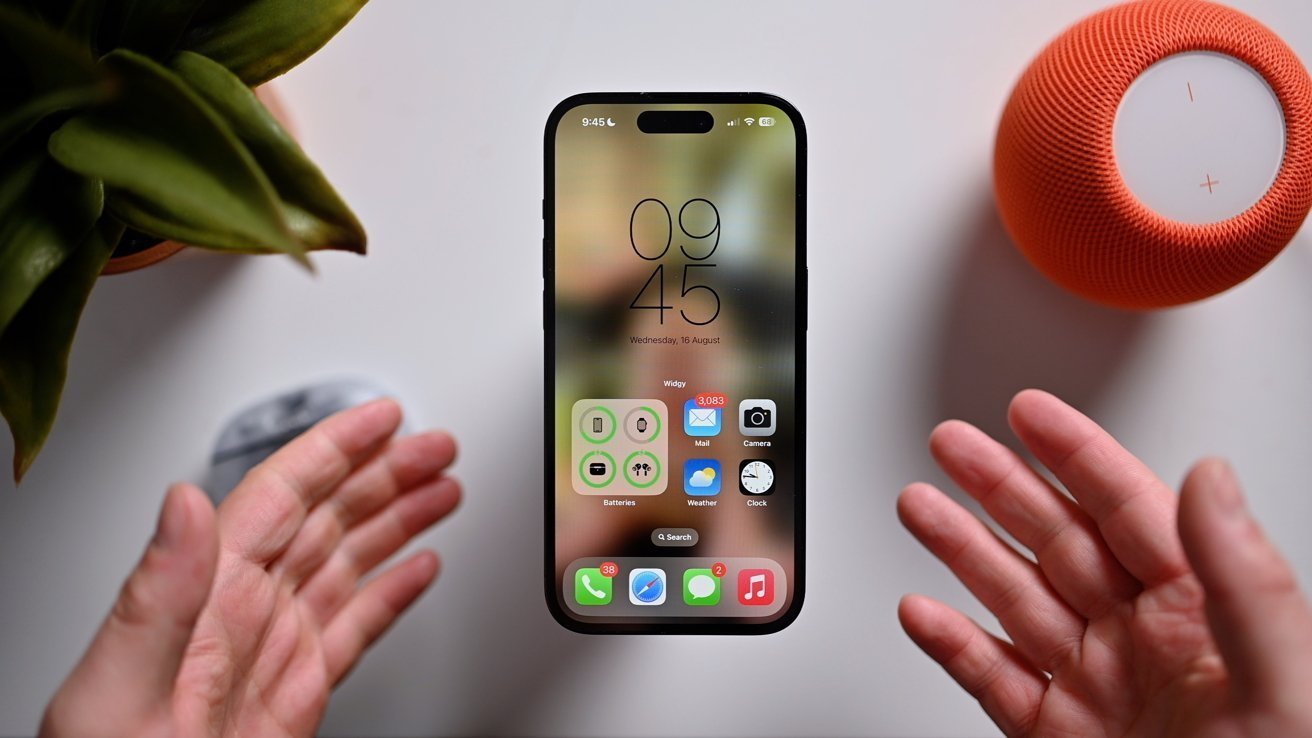
✅ Step-by-Step Fix
To fix issues with iOS 26 On gadgets that aren't made by Apple, you'll want to follow these procedures to ensure you're running the latest software.
- To guarantee you're running the most current operating system, inspect your non-Apple device for any available software updates.
- In order to integrate the recent updates, you'll need to initiate a system reboot.
- Head to your smartphone's configuration page to explore the latest enhancements and functionalities introduced with the iOS 26. 3 update
- To guarantee hassle-free use, examine each of the new features and options available on your Apple device, putting them through their paces to ensure they operate correctly without introducing any issues.
- If you encounter any problems, try resetting your device to its default settings or seeking assistance from the manufacturer's support team
To avoid issues with iOS 26 3 updates on non-Apple devices in the future, consider the following tips:
- Regularly check for software updates on both your Apple and non-Apple devices to ensure you have the latest versions and features
- Use a cloud-based service to sync your data across devices, reducing the risk of compatibility issues and data loss
- Be cautious when installing new software or updates, and always read the terms and conditions before proceeding
- Keep your devices' operating systems and software up to date to minimize the risk of security vulnerabilities and bugs
- Consider using a device management tool to monitor and control your devices, ensuring that all devices are running smoothly and securely
The release of iOS 26 3 with updates that mainly benefit non-Apple devices may seem counterintuitive, but it's a strategic move by Apple to improve compatibility and functionality across different platforms By understanding the reasons behind this shift in focus and following the step-by-step fix and pro tips outlined above, you can navigate any issues that may arise and enjoy a more integrated and user-friendly experience across all your devices Remember to stay informed about the latest updates and developments, and always prioritize the security and compatibility of your devices