
🔊 Listen to this article

Ensuring the Secure Boot feature on Windows remains valid by revoking or renewing its digital certificate.
🛠️ Why is this happening
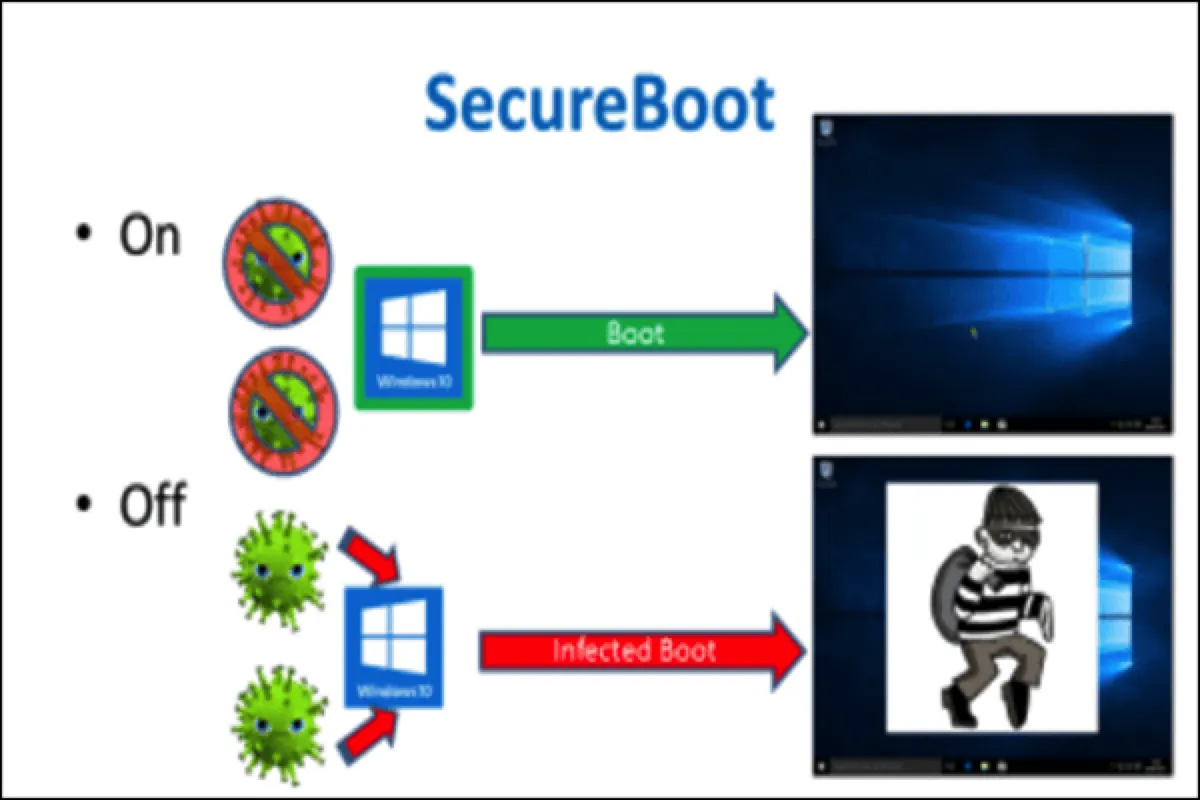
A potential glitch in your system's boot-up sequence is expected to occur when Windows' original Secure Boot certification keys reach their expiration date in June. As a consequence of Microsoft's diligent work to safeguard the boot process, the expiration has come to fruition. One way to safeguard your computer's startup process is by utilizing the Secure Boot feature, which verifies the authenticity of boot loaders and operating systems before allowing them to load, thereby blocking any malicious software from infiltrating the system during boot-up. Let's be real, The scheduled expiration of these certificates is an opportunity for Microsoft to roll out replacement certificates and get ahead of the impending change. Failure to renew these certificates in a timely manner could lead to difficulties for certain users who are operating on outdated hardware or boot loaders that have been modified from their standard configuration. In the event that the certificates lapse, your system's boot process may become impaired, and you might encounter error notifications that the boot manager lacks authentication. Taking proactive steps before the expiration date is key in order to sidestep potential complications.
✅ Step-by-Step Fix
To address the upcoming expiration of the Windows Secure Boot certificate, kindly proceed with these troubleshooting procedures.
- To prevent unauthorized software from loading, you need to enable Secure Boot in your system's UEFI firmware. You can fix this by restarting your computer, accessing the UEFI firmware settings, and searching for the option that controls Secure Boot functionality.
- The first step to resolve compatibility problems is to upgrade your UEFI firmware to the latest release available. You can do this by visiting your system manufacturer's website and downloading the latest firmware update Follow the instructions provided by the manufacturer to update the firmware
- Download and install the latest Windows updates Microsoft has already begun issuing updates that include the new Secure Boot certificates Look, To download and install the updates, go to Settings > Update & Security > Windows Update, and click on the "Check for updates" button
- Verify that the new Secure Boot certificates are installed correctly You can do this by checking the Windows Event Viewer logs for any errors related to Secure Boot To open the Event Viewer, press the Windows key + R, type "eventvwr msc" in the Run dialog box, and press Enter
To avoid issues related to Secure Boot certificate expiration in the future, follow these tips:
- Regularly update your system's UEFI firmware and Windows operating system to ensure that you have the latest security patches and updates
- Enable automatic updates for your system's UEFI firmware and Windows operating system to ensure that you receive the latest updates as soon as they are available
- Consider using a reputable third-party tool to manage your system's UEFI firmware settings and Secure Boot configuration
- Keep your system's boot loader and operating system up to date to ensure that you have the latest security features and patches
The expiration of Windows' original Secure Boot certificates is a scheduled event that may cause issues for some users However, by following the steps outlined in this tutorial, you can ensure that your system is prepared for the certificate expiration and avoid any potential problems Remember to regularly update your system's UEFI firmware and Windows operating system to stay secure and avoid any issues related to Secure Boot certificate expiration By taking these steps, you can help protect your system from malware and ensure that it continues to boot properly