

Troubleshooting Microsoft Windows 11 Setup and Recovery Update Issues from Start to Finish
Windows 11 users can now expect enhanced setup and recovery functionality thanks to recent Microsoft updates KB5077180, KB5077374, and KB5076124. Although infrequent, a minority of users might encounter obstacles after installing these updates. Throughout this instructional guide, our aim is to walk you through the steps required to rectify these issues and offer expert advice on preventing similar problems from arising in the long run.
🛠️ Why is this happening
To further refine the user experience, Microsoft has issued key updates - KB5077180, KB5077374, and KB5076124 - which are aimed at fixing the performance and dependability of Windows 11. Let's be real, Although rare, these issues can arise from installation failures, system crashes, or difficulties within the recovery environment itself. Several factors can contribute to these issues, including the possibility of incompatibility with other software, problems with the hardware, or problems during the update installation process.
Finding a solution to these difficulties hinges on grasping the fundamental reasons behind them and subsequently taking proactive steps to rectify the situation. The sections below will offer a full, step-by-step tutorial on how to address the problems that have arisen due to these updates.
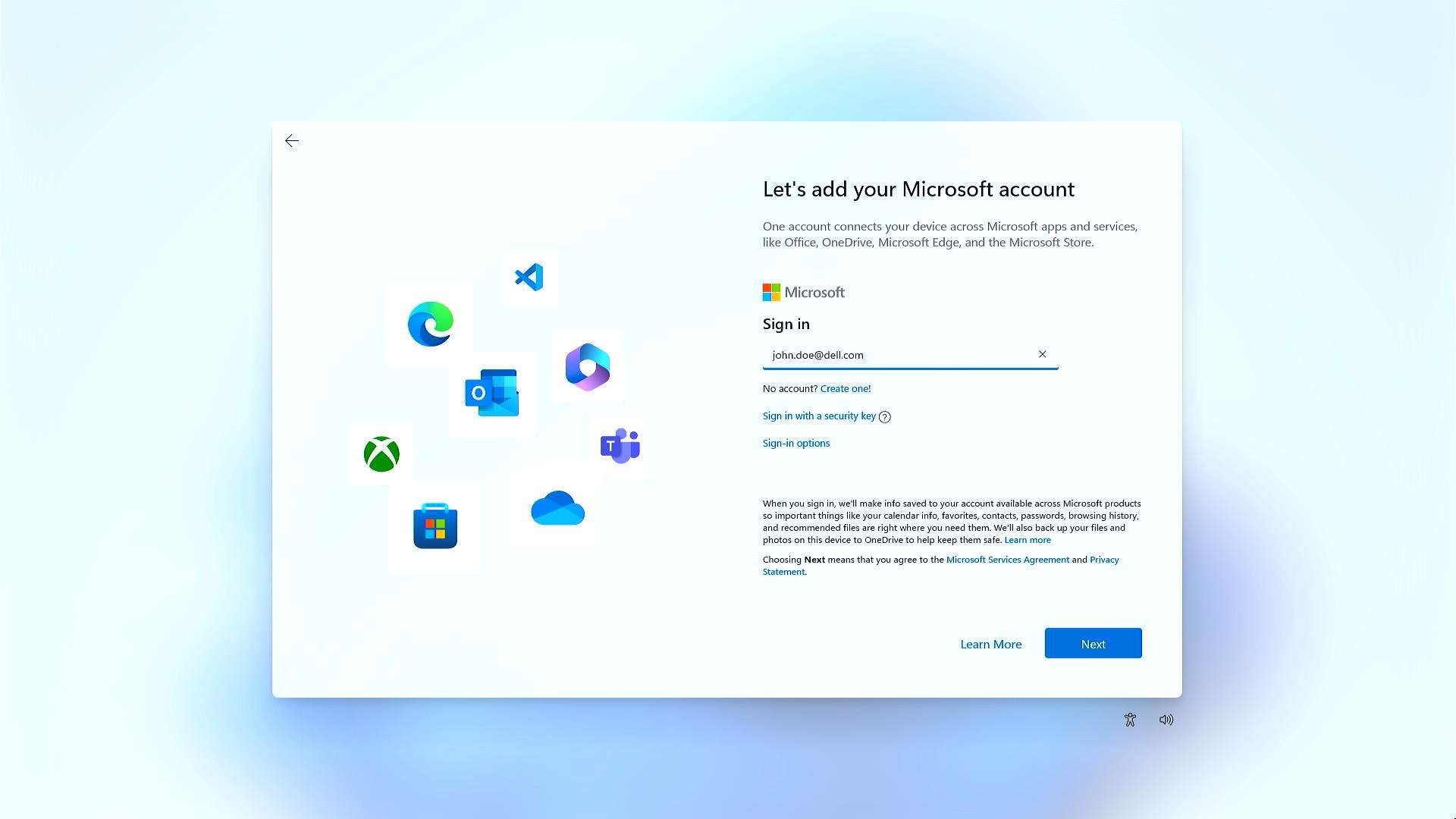
✅ Step-by-Step Fix
- To maintain optimal performance, start by verifying that your computer is current with all available software updates, then apply them according to the on-screen instructions. Seriously, It's not uncommon for the problems to clear up after a system update is installed. Wait. In order to accomplish this, navigate to the Settings section of your computer, then select the option labeled "Update & Security," and from there, choose the "Windows Update" tab, where you can initiate a search for available updates by clicking the corresponding button.
- Step 2: Run the System File Checker (SFC) tool to scan and fix any corrupted system files To do this, open the Command Prompt as an administrator and type "sfc /scannow" and press Enter
- Step 3: Run the DISM tool to fix any issues with the system image To do this, open the Command Prompt as an administrator and type "dism /online /cleanup-image /restorehealth" and press Enter
- Step 4: Perform a system restore to a previous point when the system was working correctly To do this, go to Control Panel > Recovery > Open System Restore and follow the prompts
- Step 5: If none of the above steps resolve the issue, try uninstalling the updates and then reinstalling them To do this, go to Settings > Update & Security > Windows Update > View update history and click on "Uninstall updates"
By following these steps, you should be able to fix the issues caused by the updates KB5077180, KB5077374, and KB5076124 Wait If you are still experiencing problems, you may need to seek further assistance from Microsoft support or a professional technician
💡 Pro Tips to avoid this
- Always create a system restore point before installing any updates This will allow you to revert to a previous state if something goes wrong
- Make sure your system is compatible with the updates before installing them Check the Microsoft website for any known issues or compatibility problems
- Install updates one at a time, rather than all at once This will help you identify which update is causing the issue, if any
- Keep your system and software up to date, as newer versions often include bug fixes and improvements that can help prevent issues
- Consider using the "Pause updates" feature in Windows 11 to delay the installation of updates for a short period This can give you time to check for any known issues before installing the updates
By following these tips, you can minimize the risk of encountering issues with Windows 11 setup and recovery updates and ensure a smooth and stable computing experience
🎯 Final Thoughts
bottom line, the updates KB5077180, KB5077374, and KB5076124 for Windows 11 are designed to improve the setup and recovery processes, but they may cause issues in some cases By understanding the causes and following the step-by-step guide provided in this tutorial, you should be able to fix the problems and get your system up and running smoothly Additionally, by following the pro tips outlined above, you can minimize the risk of encountering issues in the future and ensure a stable and secure computing experience
We hope this tutorial has been helpful in resolving any issues you may have encountered with the Windows 11 setup and recovery updates Believe it or not, If you have any further questions or concerns, please don't hesitate to contact us