
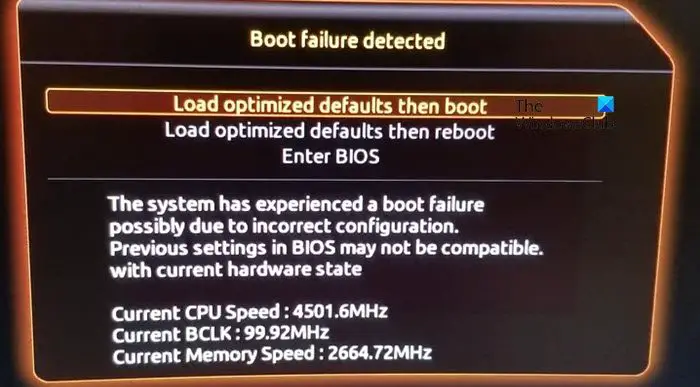
When Windows 11 Installation Packages Fail to Complete Successfully, It Can Result in a Non-Bootable State - Fortunately, Effective Troubleshooting Strategies Can Reestablish System Operation.
Windows 11 users have been running into troubles with their boot sequences after the recent update, which was the KB5077181 patch, had failed to properly install. There's some relief in store, though - we can find a way to overcome this challenge. In this instructional walkthrough, we'll take you by the hand through the necessary steps to rectify the issue and have your Windows 11 operating system functioning optimally once more.
🛠️ Why is this happening
The Windows 11 KB5077181 update is engineered to enhance the efficiency and stability of the operating system from a security standpoint. In certain situations, the upgrade might not be successfully implemented, which could subsequently cause issues with the system's boot process. Honestly, it's caused by a multitude of factors, including faulty system files, drivers that don't play nice with the system, or problems with the Windows Update service.
If an update fails to install correctly, it can leave the system in a precarious state, causing frequent boot crashes and technical glitches. You might be surprised, but to put this issue to rest, we have to locate its root cause and then take decisive action to put things right.

✅ Step-by-Step Fix
- When your computer starts to boot, turn it off, then turn it back on and immediately start pressing the F8 key over and over until you're given the choice to boot in Safe Mode. Honestly, what you'll be able to do here is log into the system using only the essential drivers and services, which should simplify the process of figuring out the problem.
- To disable the Fast Startup feature on your Windows computer, press the Windows key and the 'R' key at the same time to launch the Run utility, enter 'control panel' into the search field, and press Enter to access the Control Panel settings. , Look, Then, click on "Power Options" and select "Choose what the power buttons do" on the left side Uncheck the box next to "Turn on fast startup (recommended)" and click "Save changes"
- Run the System File Checker: Open the Command Prompt as an administrator by right-clicking on the Start button and selecting "Command Prompt (Admin)" Type "sfc /scannow" and press Enter to run the System File Checker, which will scan and replace any corrupted system files
- Run the DISM Tool: Type "dism /online /cleanup-image /restorehealth" and press Enter to run the Deployment Image Servicing and Management (DISM) tool This will help to repair any corrupted system files and registry entries
- Uninstall the KB5077181 Update: Open the Settings app by pressing the Windows key + I, then click on "Update & Security" and select "View update history" Click on "Uninstall updates" and select the KB5077181 update to remove it from your system
- Restart and Reinstall the Update: Restart your computer and try reinstalling the KB5077181 update You can do this by going to the Settings app, clicking on "Update & Security", and selecting "Check for updates" If the update is available, click on "Download and install" to reinstall it
- Regularly update your system: Keeping your system up-to-date can help prevent issues like this from occurring in the future Make sure to install updates as soon as they become available
- Use the Windows Update Troubleshooter: If you're experiencing issues with Windows Update, you can try running the built-in troubleshooter , To do this, go to the Settings app, click on "Update & Security", and select "Troubleshoot" on the right side
- Be cautious when installing updates: Before installing any updates, make sure to read the release notes and reviews from other users to ensure that the update is stable and compatible with your system
- Back up your data: Regularly backing up your important files and data can help you recover quickly in case something goes wrong during the update process
Fixing Windows 11 boot failures caused by failed updates can be a challenging task, but by following the steps outlined in this tutorial, you should be able to resolve the issue and get your system up and running smoothly again Remember to always be cautious when installing updates and to regularly back up your important files to prevent data loss If you're still experiencing issues, you may want to consider seeking help from a professional or contacting Microsoft support for further assistance
By taking the necessary precautions and following the steps outlined in this tutorial, you can help prevent boot failures and ensure that your Windows 11 system runs smoothly and efficiently If you have any questions or need further assistance, don't hesitate to ask We're here to help you resolve any issues you may be experiencing with your Windows 11 system