
🔊 Listen to this article
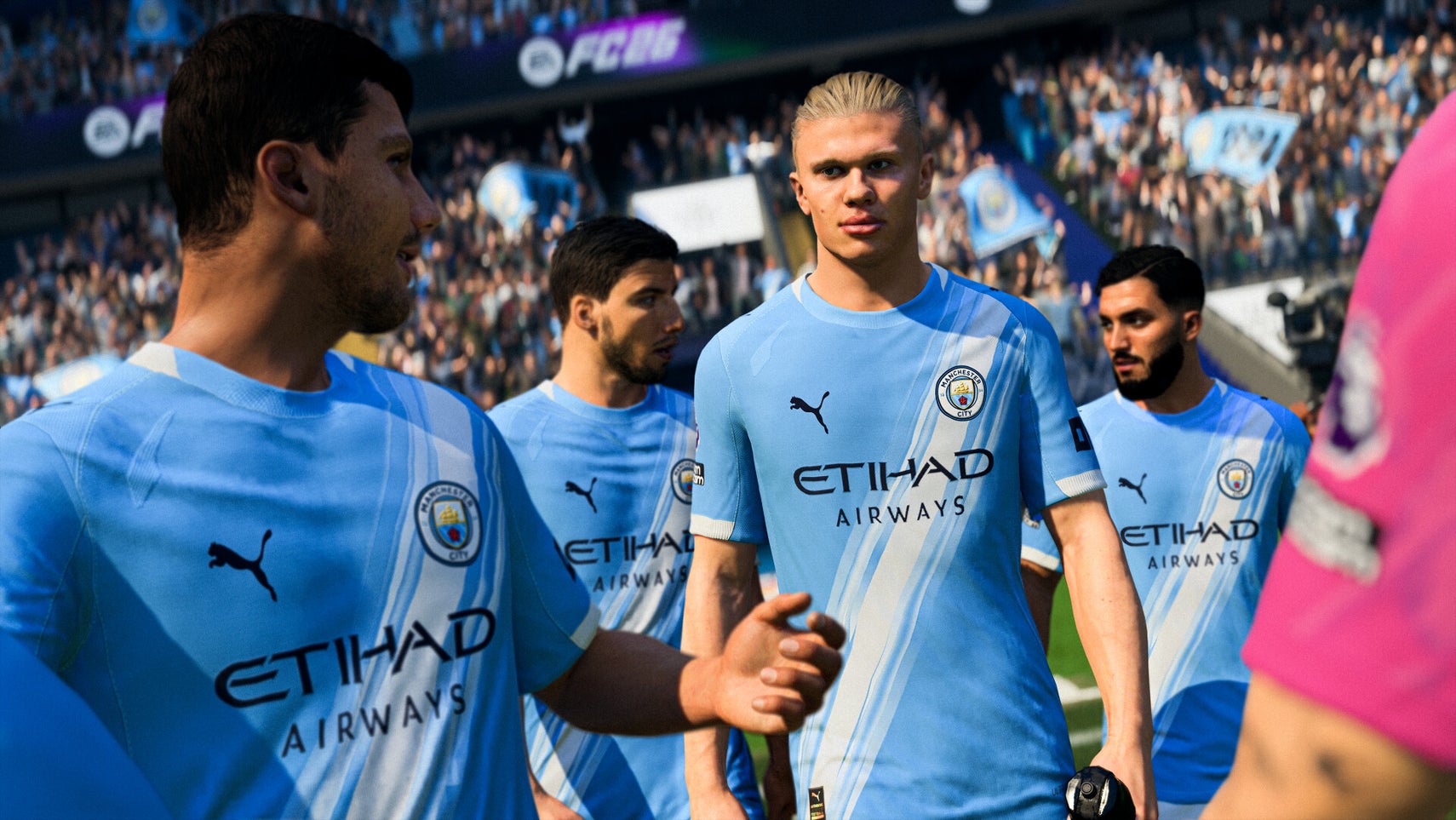
In a licensing deal, a prominent football commentator has permitted EA to incorporate a synthetic version of his voice into EA Sports FC.
🛠️ Why is this happening
A recent breakthrough in technology, where a well-known sports commentator agreed to let EA Sports use an AI simulation of his voice in their upcoming game, has ignited a heated discussion among fans and critics alike. Wait. Advances in AI and machine learning capabilities have led to the development of highly realistic voice replication technologies, making it feasible to mimic human speech with precision. Wait Consequently, video game developers such as Electronic Arts are venturing into the world of using artificial intelligence-generated voices to narrate various aspects of their games, including live sports events. Employing AI-generated voices allows for a range of benefits, including enhanced speed, reduced financial burdens, and more consistent results. Honestly though, this does pose questions about the consequences for sports commentators and whether the comments they provide are truly authentic. Over the course of this tutorial, we'll examine the procedure for acquiring EA's clearance to use an AI-generated commentator voice and provide valuable insights and guidance to help you achieve a smooth and efficient outcome.

✅ Step-by-Step Fix
In order to grant EA permission to employ an AI-generated version of a commentator's voice, simply follow these straightforward steps.
- To proceed with the commentary, please take the time to thoroughly analyze the contract and comprehend the stipulations surrounding the permission for EA to employ your AI-generated voice.
- To avoid any disputes, the commentator should engage in thorough discussions with all parties involved to reach a mutually agreeable agreement regarding royalties, copyright, and usage rights.
- Before EA can generate a voice that sounds like the commentator, they'll need to record and submit some audio examples of their speaking voice for use as a reference. Honestly, the process could entail capturing a sequence of words and expressions that would serve as the foundation for the AI's learning process.
- Review and approve the AI-generated voice: Once the AI-generated voice has been developed, the commentator should review and approve it to ensure it meets their standards and is consistent with their brand and image
- Monitor usage and royalties: The commentator should monitor how their AI-generated voice is being used and ensure they receive the agreed-upon royalties and compensation
💡 Pro Tips to avoid this
To avoid potential issues with permitting EA to use an AI version of a commentator's voice, consider the following tips:
- Seek professional advice: Commentators should seek professional advice from lawyers, agents, or other experts to ensure they understand the terms and conditions of the agreement and can negotiate the best possible deal
- Set clear boundaries: Commentators should set clear boundaries and guidelines for how their AI-generated voice can be used, including any restrictions on usage or distribution
- Monitor and enforce rights: Commentators should monitor how their AI-generated voice is being used and enforce their rights if they discover any unauthorized usage or infringement
- Consider alternative options: Commentators should consider alternative options for generating revenue, such as offering their services as a human commentator or exploring other business opportunities
🎯 Final Thoughts
The use of AI-generated voices in sports commentaries is a rapidly evolving field, and commentators must be aware of the potential benefits and risks By understanding the steps involved in permitting EA to use an AI version of their voice and following the tips outlined in this tutorial, commentators can navigate this process with confidence and ensure they receive fair compensation for their work As the technology continues to advance, it will be interesting to see how the role of human commentators evolves and how they can work alongside AI-generated voices to create a more immersive and engaging experience for sports fans