
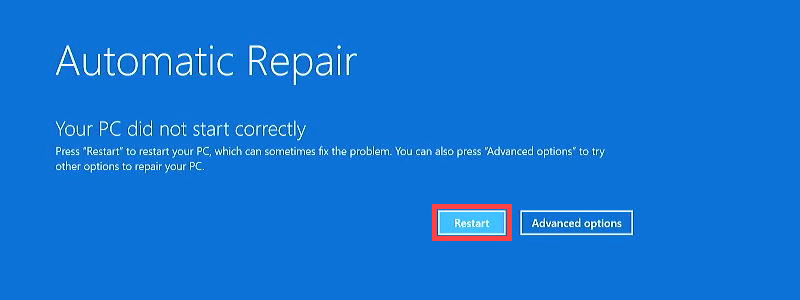
Rectifying Windows 11 Boot, Login, and Activation Errors Introduced by the KB5074105 System Update
After applying the Windows 11 KB5074105 update, are there issues with system boot, user authentication, and activation that you're trying to troubleshoot? You're not alone Fortunately, a significant number of people who've struggled with these issues have discovered viable workarounds to overcome them. Throughout this tutorial, we'll provide a clear, step-by-step walkthrough of how to address these issues and optimize your Windows 11 system for smooth operation.
🛠️ Why is this happening
Microsoft had planned for the KB5074105 update to address a range of existing problems and provide a general boost to the efficiency of Windows 11. We've observed that the new update has led to problems with some users experiencing boot errors, being unable to log in, and encountering issues with account activation. The exact origin of these problems is still unclear, but they could be linked to difficulties integrating with other system components or clashing with existing file formats.
Before we proceed with a solution, it's vital to acknowledge that many people have encountered similar issues with the KB5074105 update and that these problems are not uncommon. A recurring pattern has emerged with Windows updates, prompting Microsoft to issue patches or hotfixes to mitigate the problems that have arisen.
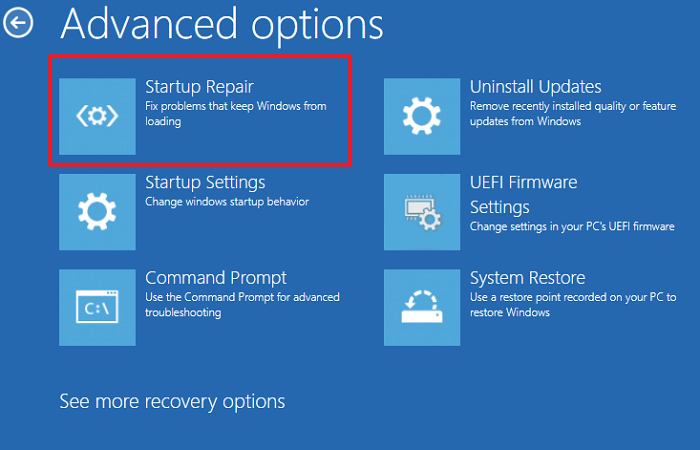
✅ Step-by-Step Fix
- To prevent any potential security vulnerabilities, make it a habit to regularly inspect your system for available software updates. Let's be real, Periodically, Microsoft issues supplementary patches to resolve problems stemming from earlier software updates. Honestly, Wait Access the Settings menu, where you can find the Update & Security option; clicking on this will lead you to the Windows Update section, and from there, you can initiate a check for updates by selecting the corresponding option.
- Step 2: Run the System File Checker (SFC) tool - The SFC tool scans and replaces corrupted system files that may be causing the issues To run the SFC tool, open the Command Prompt as an administrator and type "sfc /scannow" (without quotes) and press Enter
- Step 3: Run the Deployment Image Servicing and Management (DISM) tool - The DISM tool checks for and fixes corrupted system files and registry entries To run the DISM tool, open the Command Prompt as an administrator and type "dism /online /cleanup-image /restorehealth" (without quotes) and press Enter
- Step 4: Restart your system - After running the SFC and DISM tools, restart your system to ensure that the changes take effect I mean, If you're still experiencing issues, proceed to the next step
- Step 5: Perform a system restore - If the above steps don't work, you can try performing a system restore to a previous point when your system was working correctly To do this, go to Control Panel > Recovery > Open System Restore and follow the prompts
- Always create a system restore point before installing updates This way, you can easily restore your system to a previous point if something goes wrong
- Keep your system and software up to date, but also be cautious when installing updates Sometimes, it's a good idea to wait a few days to see if other users are experiencing issues with a particular update
- Use the Windows Update Troubleshooter tool to detect and fix issues with the Windows Update service You can find this tool in the Control Panel or by searching for it in the Start menu
- Consider installing updates manually instead of automatically This gives you more control over the update process and allows you to review the updates before installing them
Fixing boot, sign-in, and activation issues after the Windows 11 KB5074105 update requires patience and a step-by-step approach By following the steps outlined in this tutorial, you should be able to resolve these issues and get your system up and running smoothly again Remember to always be cautious when installing updates and to keep your system and software up to date to minimize the risk of issues
Microsoft is likely to release additional updates to fix these issues, so it's essential to stay informed and keep your system updated If you're still experiencing problems after trying the steps outlined in this tutorial, you may want to consider seeking further assistance from Microsoft support or a professional technician